
In this chat with Diana Gabaldon, the bestselling author of the Outlander series, we talk about the Outlander food and drink woven throughout the books, how she researches historic recipes and beverages, and the surprising path that led her from science to storytelling. Let's pull back the curtain on why those details feel so real, and how a "practice novel" became a global sensation!
Inside This Diana Gabaldon Interview
In this conversation with Diana Gabaldon, we explore how food, drink, and meticulous research bring her stories to life.
What You'll Discover
🥖 Historic Food Research: How Diana uses 18th-century cookbooks, seasonality, and context to choose what her characters eat.
📚 The Research Process: Why she doesn't use research assistants-and how curiosity shapes better storytelling.
🥃 Whisky & Beverages: Her preference for peated Scotch whiskies and when food and drink drives the plot.
🧬 From Science to Fiction: How her background in zoology and behavioral ecology trained her to care deeply about details.
✍️ The Accidental Novel: How Outlander began as a "practice book" no one was supposed to read.
Jump to:
Autumn in New York (and Comic Con)
It's not every day you get to sit down with someone whose stories reshaped your bookshelf and your palate, but if it wasn't for Diana Gabaldon, the author of the Outlander book series, where I am in my life would be wholly different than what it is today.
I first published this interview on OutlanderCast on October 30, 2022. With the last season of the Outlander TV show on STARZ in sight (as of this writing), I decided to share it with you here.
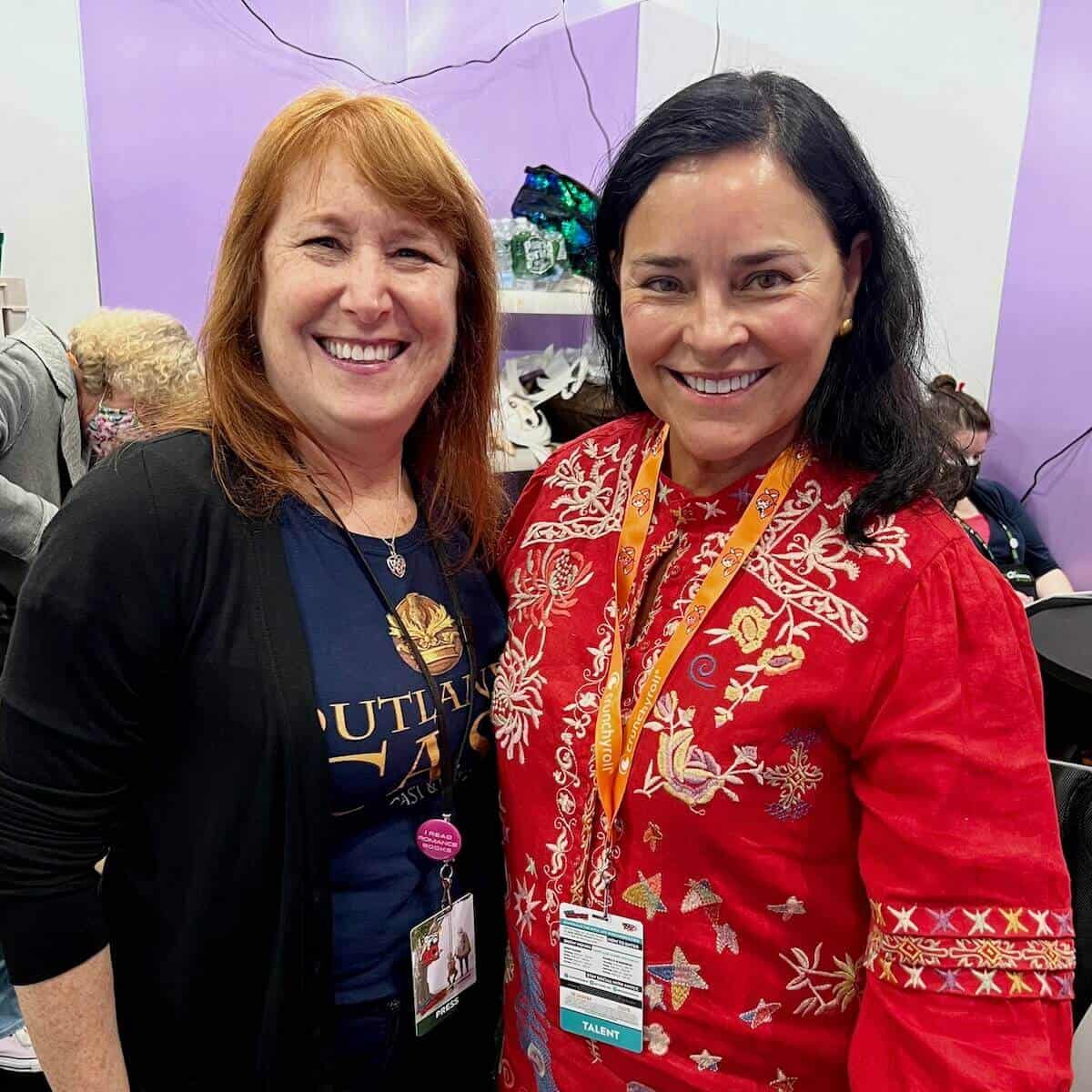
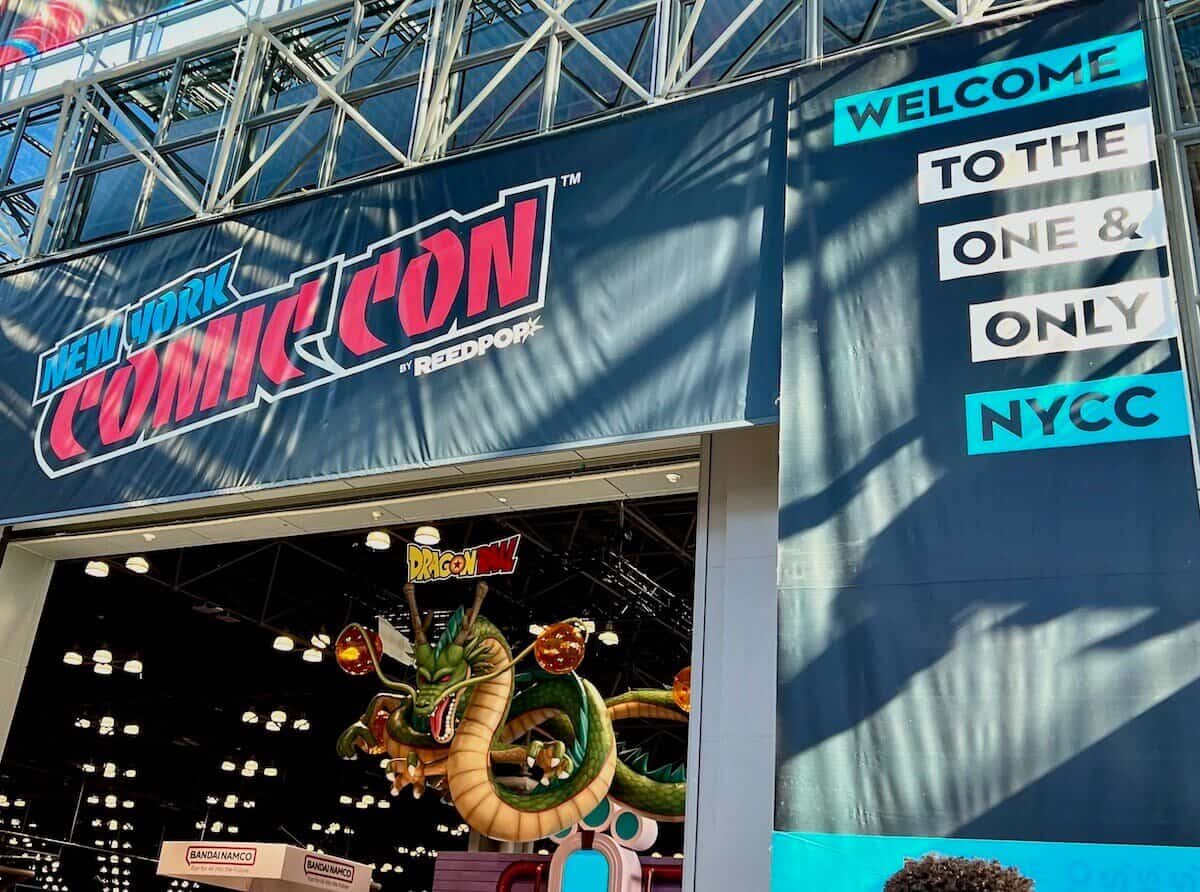
I got a chance to meet Diana at New York Comic Con 2022, a huge gathering of fandoms from across different mediums held in New York and filling the Javits Center for four lively October days. Many of your favorite movies, TV shows, graphic novels, and computer games are represented, and you can see the actors, authors, and the folks behind the scenes at panel discussions, or meet them up close and personal at autograph signings and photo opportunities. And a lot of the fun is the cosplay, that is, "costume play" or dressing up as your favorite characters.
I went with my wonderful son-in-law, who acted as my photographer, sound engineer, and emotional support person, and who shares my love of fandoms (his being Doctor Who).
Diana graciously found 30 minutes in her busy schedule of appearances, panels, and book signings for our interview.
Given my longtime How They Made It columns for OutlanderCast, it probably won't surprise you that we talked at length about food and drink in Outlander, along with her background as a research scientist and how that still shapes her writing.
It was quite a far-ranging, funny conversation, and thoroughly delightful!
[Side Note: the content has been lightly edited for clarity.]
Researching historic recipes
As a chef and baker who's always looking for traditional recipes (shortbread, anyone?), I first asked Diana how she discovers the food and drinks of the 18th and 20th centuries that she references in her books. Whether it's bannocks (Scottish oatcakes), hare pie, cherry bounce (cherry-infused liqueur), or powdowdie (sheep's head soup), these are not common dishes in most modern cookbooks. She's got to go find the food history in Outlander. Diana told me,
[T]here are cookbooks that were written in the 18th century, and that would be where I'd start. Other places are just reading stuff, both fictional and nonfictional, that deal with the times and the places where we work. And in some cases, I will be writing something and I'll put in something from my own knowledge, but then I'll make a note to check it and make sure that that actually grew there, and that we're in the right season for this.
But it's not just about locating a recipe. Even with recipes mentioned in the books that are easy to locate, like Scottish Cock-a Leekie soup, molasses cookies, maple pudding, or even peanut butter, it's about accuracy, context, and seasonality, details that matter deeply to Diana.
Seasonality is a big thing when you're writing the historical stuff, because not all food was available all the time like it is here. For example, you only got apples for three months in the summer and the early fall. And after that you ground them into cider quickly, so you can salvage the rest. But you're not gonna have fresh apple pie in January.
Why Diana doesn't use Research Assistants
When I asked whether she ever used research assistants, Diana didn't hesitate.
No, I wouldn't know how to tell somebody what to go look for.
She illustrated her answer with this humorous example of hot dogs and beans:
Say if I was going to make dinner for my family, I think of what I might have, then go to the store and get it. ... I think, well, I feel lazy tonight, so I'm gonna make hot dogs and beans. So I go to the store with that in mind. As I'm heading toward the aisle where I would find hot dogs, I pass the meat section. I see a special on chicken breasts, and these are very plump and nice looking, and I think, maybe we could do chicken instead. I don't want to make fried chicken but oh, chicken curry, that's pretty easy. Okay, we'll take three breasts and we'll make chicken curry. Okay, what else do I need for that? I need vegetable juice, garlic, and a little ginger; ginger is right there. Now I'm thinking, what are we going to have with this? Maybe an ice cold dry Riesling, ... and I need chutney, and chutney is on the way so I will get the chutney, and on the way I get the Riesling and so forth. And so we end up with a really nice meal. Whereas if I'd sent a research assistant, we would have had hot dogs and beans.
I love that example. It's so true!
Favorite historic recipe sources
As far as specific cookbooks or other sources, Diana uses a number of them.
I started with Mrs. McLintock's Recipes for Cookery (first published in 1736) which is specifically Scottish recipes. That's the first one that I found when I was writing Outlander. So the hare pie that Jenny makes comes from that book, as do a few other things.
There's Reay Tannahill, who wrote a good sort of comprehensive book on food through the ages (Food in History) - what was available when and how they used it and where it was found and all that. That's more scholarly and more complete than I need, but it's a good place to look for research.
And now we have the internet, of course, where you can find all kinds of things, like [Jon] Townsends and his 18th century YouTube videos. Often he will do things about food preparation and preservation.
I don't usually go out looking for something specific. ... I need something for these people to eat. And so I'll bring up a website or a book or something, and sweep through until something strikes my fancy.
When asked if she has been spurred on to make any of the recipes, Diana replied no, it's just an ingredient for the writing.
It wouldn't matter whether I used a recipe for this or a recipe for that, unless it was something that was plot related.
Sometimes the food sets the scene, such as in the big gathering in A Breath of Snow and Ashes, chapter 54: "...tureens of powdowdie and hotchpotch" ... "platters of fried fish, fried chicken, fried rabbit; venison collops in red wine, smoked sausages..." and so on. Sometimes the food plays an integral part, like in Lord John and the Hellfire Club when Diana needed a specific kind of wine to be a clue, so she found an Austrian wine from the 18th century, Schilcher, that fit the bill.
Scotch, whisky, and other drinks
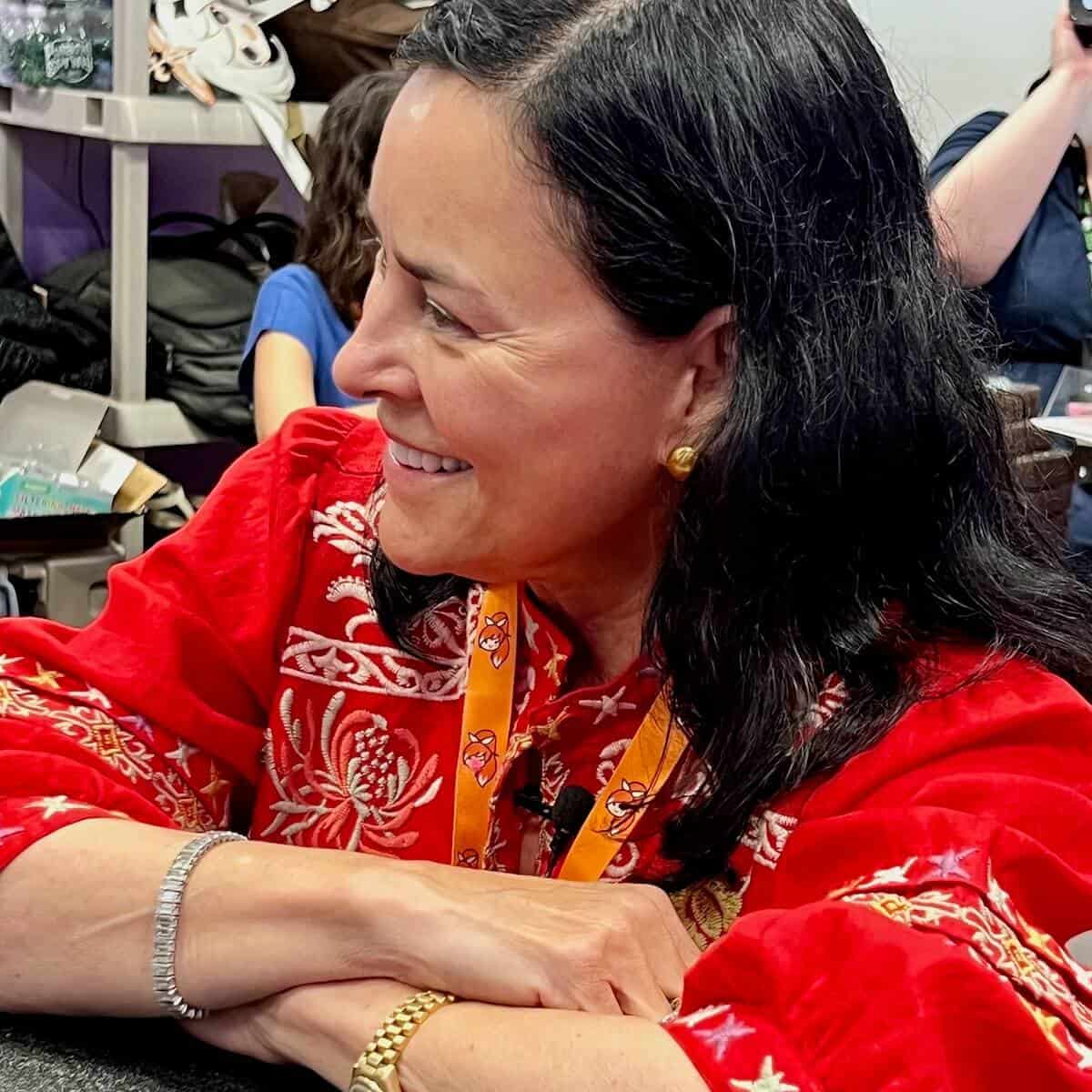
Given that Outlander is the reason I fell down the scotch rabbit hole in the first place, I had to ask what Diana's favorite drinks were. Her go-to drink is Diet Coke (as pictured below), and she enjoys a glass of champagne before dinner.
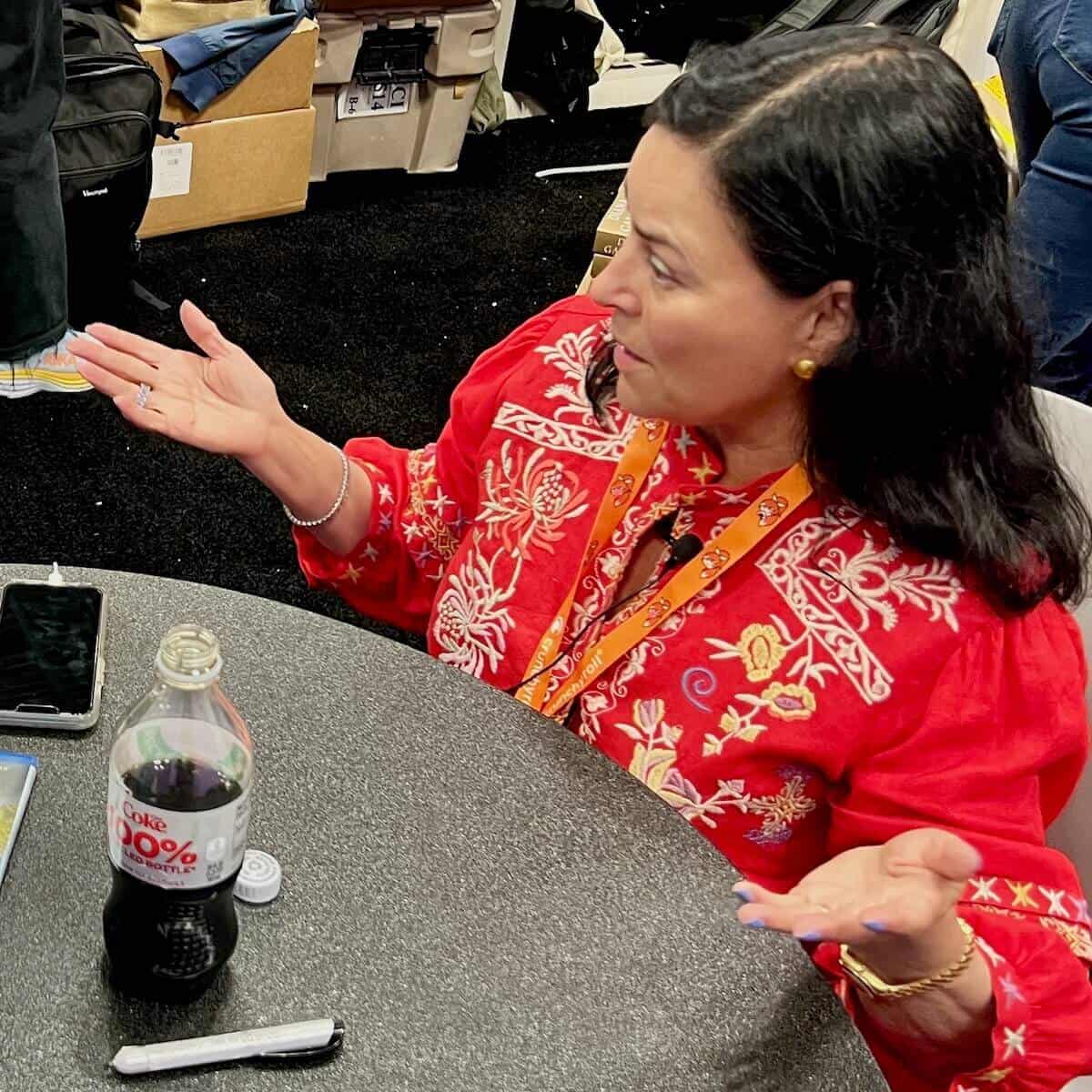
Diana does drink scotch on special or social occasions. In my scotch primer I wrote for Outlander Cast, I discussed the many factors that go into the characteristics of scotch, a big one being whether it's peated or unpeated. When asked, Diana said she prefers peated scotch, like Lagavulin, Oban, or Talisker. She doesn't like "the sweetish ones, like Glenmorangie or Dalwinnie, which are ladies whiskies."
Hey, everyone's palate is individual, and that's ok!
A Clan Fraser Whisky connection
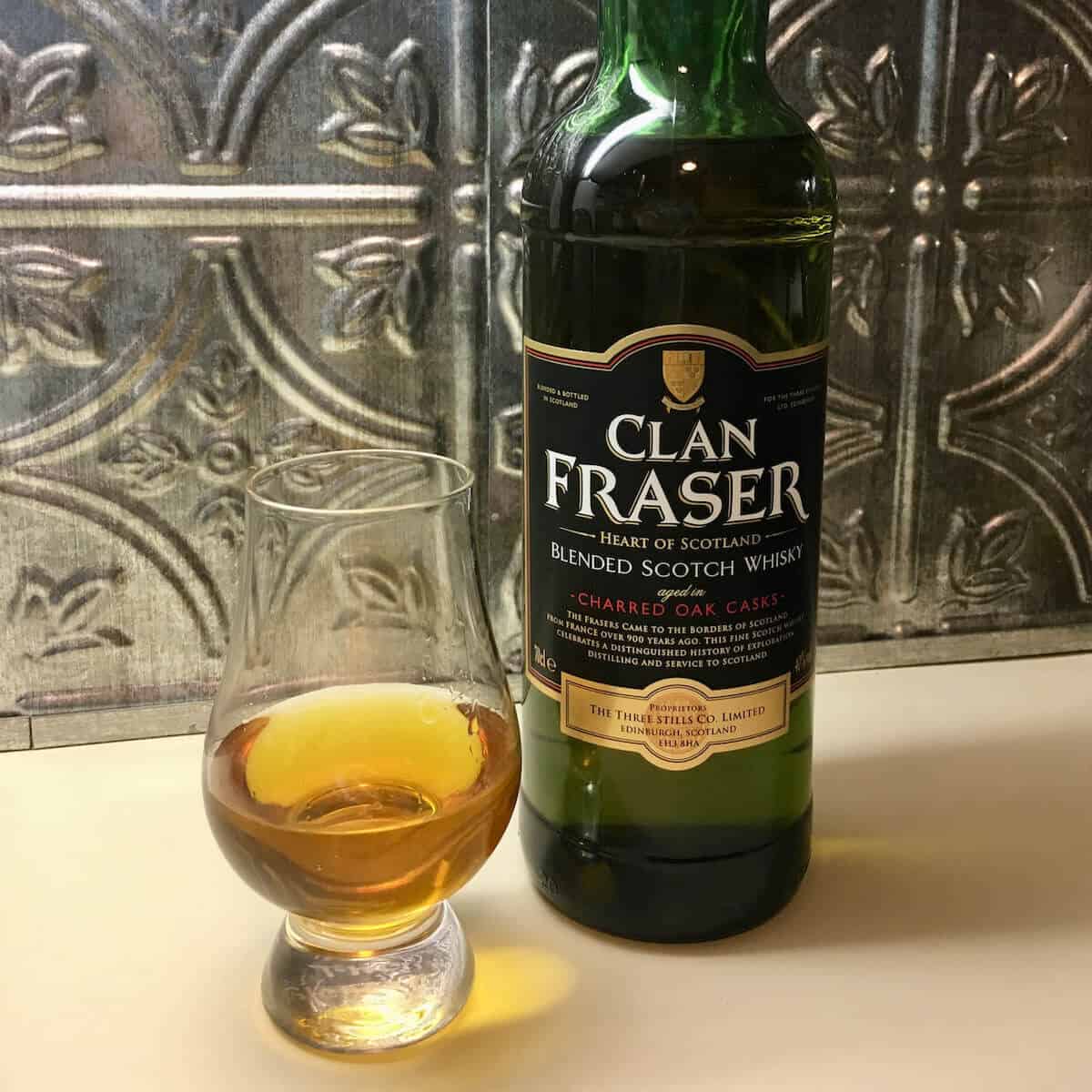
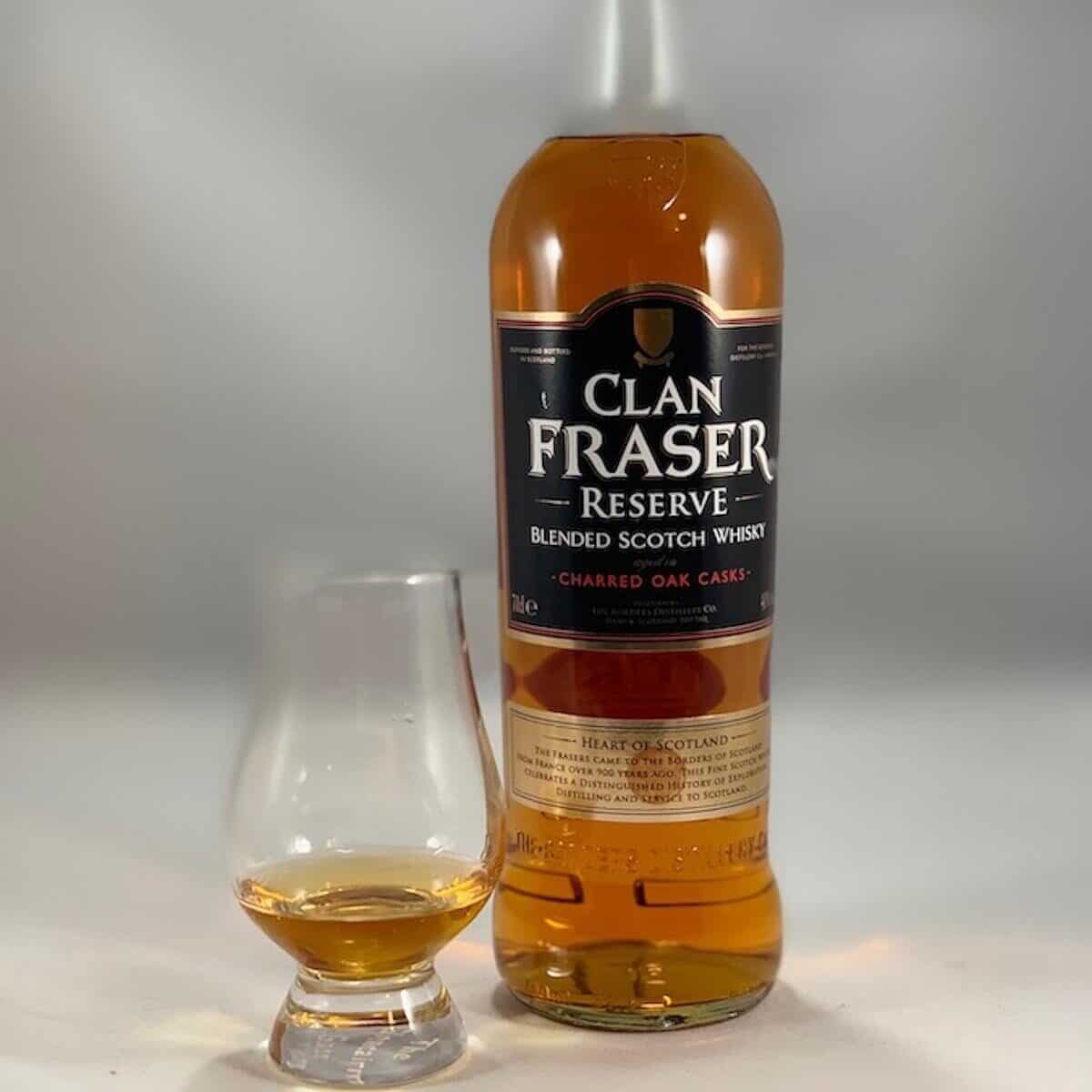
Indirectly related to Outlander whisky and scotch, I've reviewed Clan Fraser Blended Scotch Whisky and Clan Fraser Reserve Blended Scotch Whisky (for obvious reasons, I think), and I wanted to know if she had tried them. Diana has met the proprietor and been given a bottle of their whisky on two different occasions (one being at the Scottish Festival & Highland Games in Fergus, Ontario in Canada). And while she has yet to have an occasion to open them at home, she has tried it at the Highland Tea in Flagstaff, Arizona.
For those wondering, that's a tea, held by the Northern Arizona Celtic Heritage Society, where they serve scotch along with the usual pots of tea and little tea sandwiches, scones with clotted cream, jam, and lemon curd, plus other sweets.
Afternoon tea and scotch? I would absolutely attend that tea!
A scientific background
Our conversation then pivoted to Diana's background. In her biography, many readers are surprised to learn that Diana began her professional life in science as a teacher, researcher, and author of scientific papers on computer software. She holds:
- A BA in Zoology from Northern Arizona University
- An MS in Marine Biology from the Scripps Institution of Oceanography in La Jolla, CA
- A PhD in Quantitative Behavioral Ecology from Northern Arizona University
Referencing the correct university
And yes, Diana is very particular about people naming the correct Arizona university she attended. For good reason, as she emphatically explained to me:
Journalists never ever get that right. Because there are three universities in Arizona: the one where I went to school, Northern Arizona University; the one where I taught, Arizona State University; and the other one is the University of Arizona. So all three of them have Arizona University in their names, and they can never get it right. They're always saying, 'well, she got her degree at the University of Arizona,' which is the only one I've never had any association with.

Well, why does this matter? Because I complain all the time about people getting details wrong in interviews, and so forth. And I say, in day to day life, it doesn't matter at all. But if you're looking at it from a historical perspective, what if 50 years from now someone decides to write a biography of Diana Gabaldon, and they start trying to dig up information. And they happen to come up with this mistaken thing, which includes the mistake about my age and a mistake about where I went to school. And they say, 'Oh, she went to the University of Arizona, what kind of student was she?' They write to the University of Arizona for my transcript, who replies, 'we've never heard of her. She never came here'. 'Oh, well, she invented her scholarly career, she's a fraud.' So no, you want to try to get it right, even though it doesn't matter.
We know the emphasis Diana places on getting the facts right in her books, so this shouldn't come as a surprise.
Oh, and if you're wondering, as I was, what Quantitative Behavioral Ecology is? It's "animal behavior with a lot of statistics." Well, that's explained!
Knowing what you want
Diana's love of stories started early - at 3 years old she learned to read - and she knew she was going to be a writer by 8 years old, when she started practicing prayer. Not formally, mind you, she'd "just try talking to God, like a friend or your uncle or something like that, but have a conversation." Later she told her parents,
I think I want to write books ... I'd really like to write the sort of books that lift people up.
Starting with Comics
Even during her time as a teacher and research scientist, including a year-long postdoc appointment at the University of California at Los Angeles (UCLA) where she ran a lab researching boxfish, Diana was honing her storytelling craft as a fiction writer for Disney's Scrooge McDuck comic books. And it started with a "very rude" letter to the editor, Dell Connell:
I wrote the comic books for Disney quite early in my career, my first fiction. ... At that point, we were living in LA and I didn't yet have a job. I shortly thereafter got a postdoc job at UCLA but the point when I started I was at loose ends. I read a comic book in the parking lot of a Circle K (a convenience store) where I bought it, and I was thinking that's pretty bad. I bet I could do better myself. And on a whim I looked up the company that was publishing it then, found the name of the editor who ran that line, and I wrote a very rude letter that said, 'Dear Sir, I've been reading your comics for the last 25 years, and they've been getting worse and worse.' I said, 'I'm not sure I could do better, but I'd like to try.'
The amused Connell agreed ("he's both a gentleman and a guy with a sense of humor"), and included a format sheet of how the comic should look. Diana ended up writing the storylines (with stage directions for the illustrator) for Scrooge McDuck (a Scot!), along with Mickey Mouse and Donald Duck, for two to three years.
That combination of confidence, curiosity, and sheer nerve? Very Diana.
Becoming an author
I've had many different professions in my life, and I'm sometimes embarrassed trying to explain my career arc. I asked Diana how she explained to people how she came to be on the path she's on, and she put it succinctly,
Well, easy. I wrote a book. And it's all you have to do. They don't make you get a license or anything.
Well put, Diana. Well put.
An accidental novelist
However, it's one thing to say you want to be a writer. It's another to actually do it. Diana frequently talks about how she wrote Outlander as a "practice novel," one that she didn't think anyone would actually read. How did she do it?
I didn't tell anyone what I was doing until I finished writing the book, or close to it. My husband found out while I was actually writing it, but that was when I was far enough along that he couldn't stop me.
Because he would have tried [to stop me], not [from] writing my book, but out of fear that I would die. At this point, I had two full time jobs and three children under the age of six. And if he'd found out I was writing a book, he would have said, 'Well, don't do that. Wait until the kids are in school, and wait until my business is doing better when you could quit one of your jobs.' And you know, that would all make great sense. And he wouldn't have given up, and I probably would have given in.
Diana's husband did discover her secret novel one night, finding all her files called 'Jamie' on her computer.
He looked at me and said, 'Who's Jamie?' I said, 'It's a book I'm writing, ok?!' And he could tell by my tone of voice I was not to be trifled with, so he backed off a little bit. ... and before the evening was out, he was standing behind me reading off the screen and offering suggestions.
Her husband then realized that Diana had been writing for quite a while. Luckily for us, her husband didn't talk her out of writing.
It took Diana 18 months to write Outlander, and a worldwide phenomenon was born. And we're all better off for it!
Outlander at Comic Con
Outlander has a very enthusiastic fan base, so it always comes as a bit of a shock to me that it isn't more widely represented in the greater fandom community.
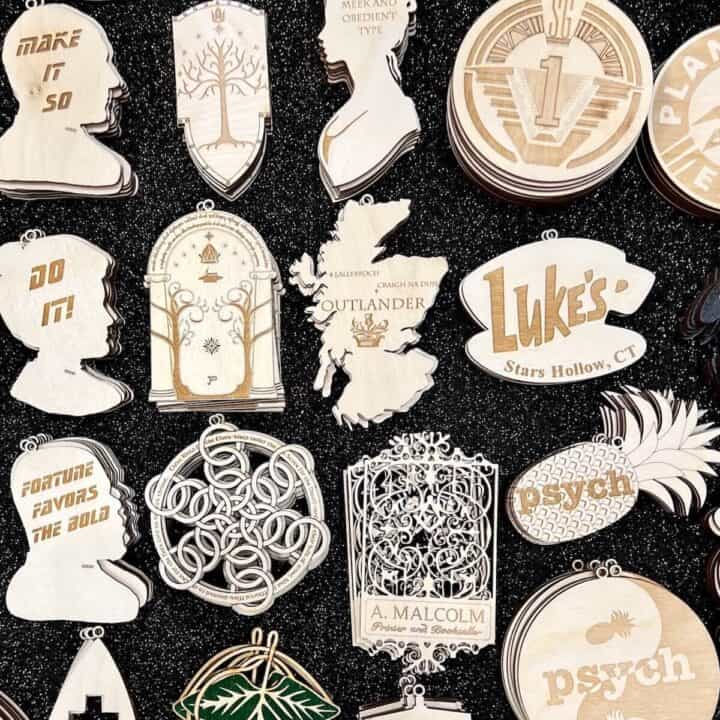
Walking around the vendor floor at Comic Con, there were but a few instances of Outlander merchandise to buy, and even less people dressed up as Outlander characters. The icons from the Marvel and DC universes, Star Wars, and anime characters dominated the cosplay.
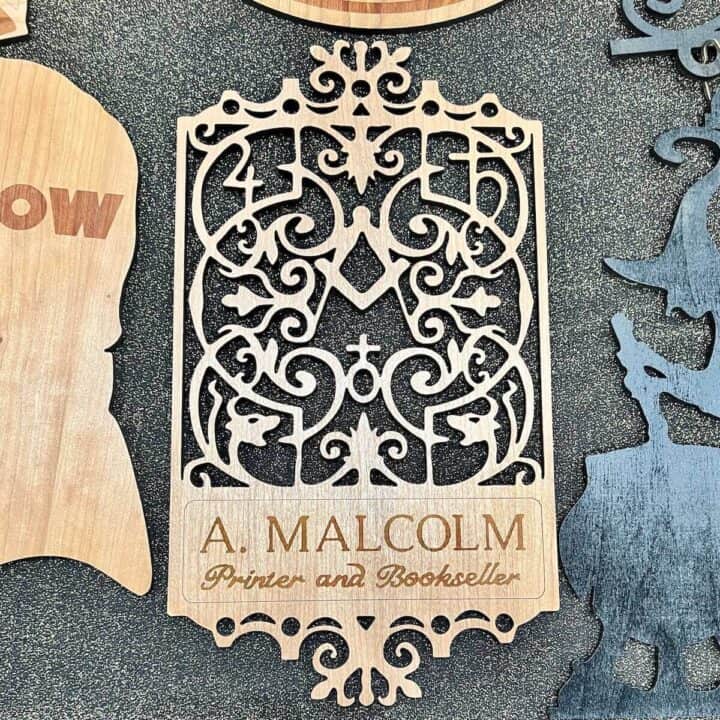
My Comic Con experience
There were more fans (and more costumes) at the panels, actor photos, and autograph signings for the Outlander stars, Sam Heughan (Jamie Fraser), David Berry (Lord John Grey), and Duncan Lacroix (Murtaugh Fraser). And the panels that I attended - a Q&A with Sam, a spotlight panel with Diana, and the main Outlander panel with the stars and Diana - were lots of fun and very well attended. The lines to get in were long!
The highlight of the 4-day event for me, of course, was my chat with Diana. Acting as a reporter was a bit intimidating - as a baker and food writer, I don't have to talk to my baked goods very much. However, I had my questions prepped in advanced, like a good chef with her ingredients. I needn't have worried though - Diana was warm, kind, and expansive with her answers.
As a big Outlander fan (have I mentioned that already or is it obvious?), I was prepared in another way - I brought my copy of Outlander (the first book), and Diana graciously signed it for me.
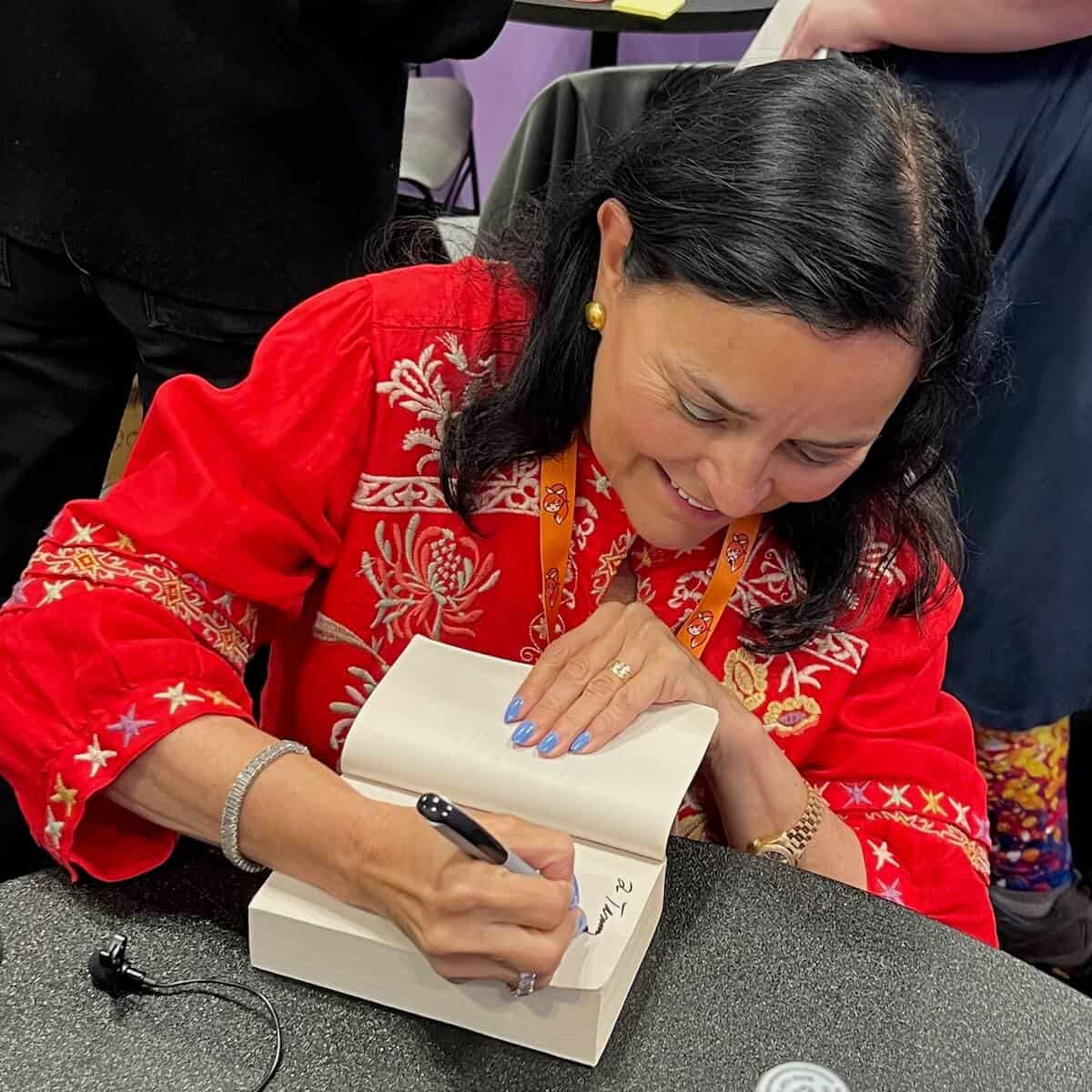
And yes, I went and had a wee dram of scotch afterwards with my son-in-law to decompress and process what had just happened. It was quite the experience!
Questions asked and answered
Here are some questions you might have...
By relying on original 18th-century cookbooks, historical food scholarship, and contextual reading, Diana pays close attention to accuracy, context, and seasonality in her writing.
Not usually. Food in Outlander serves the story, atmosphere, or plot. Unless a dish is plot-critical, she chooses what fits the scene rather than testing recipes herself.
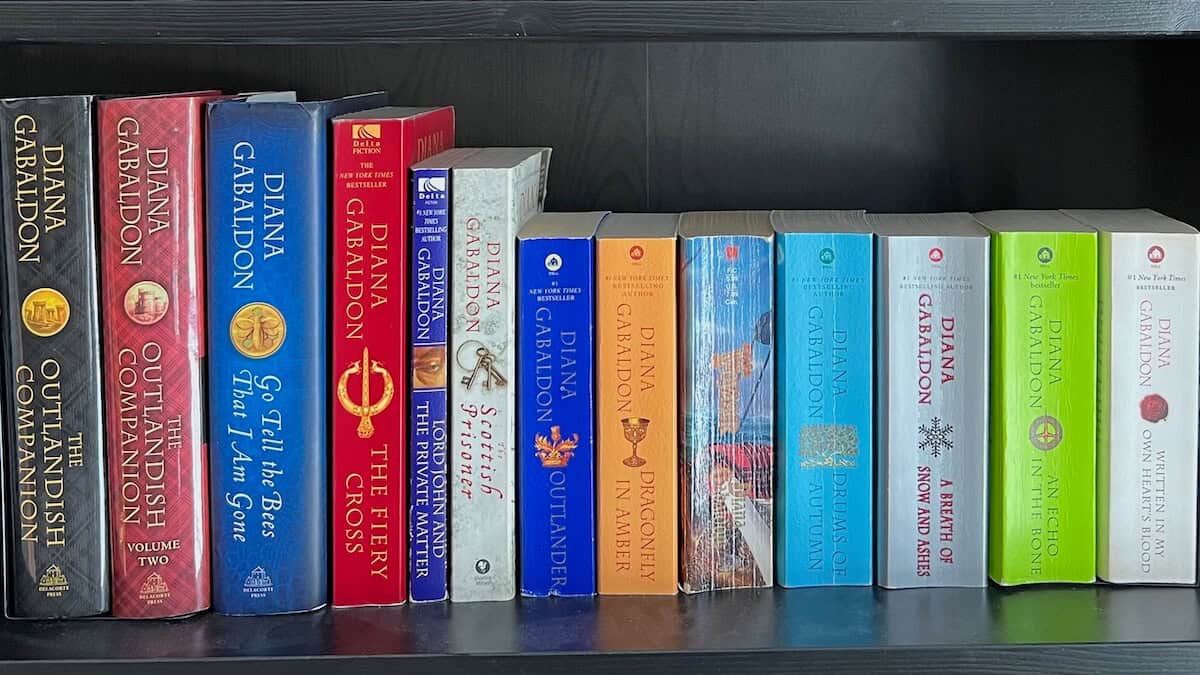
Final thoughts
I hope you enjoyed this different kind of interview with Diana Gabaldon. As I mentioned earlier, Outlander Season 8 (the final season of the STARZ TV show) is just on the horizon, and we're still waiting for A Blessing for a Warrior Going Out (the 10th and final book in the main Outlander series) to come out. In the meantime, let's keep the Outlander flame going for us fans by just talking about it (politely, of course). Slainté!


Comments
No Comments