

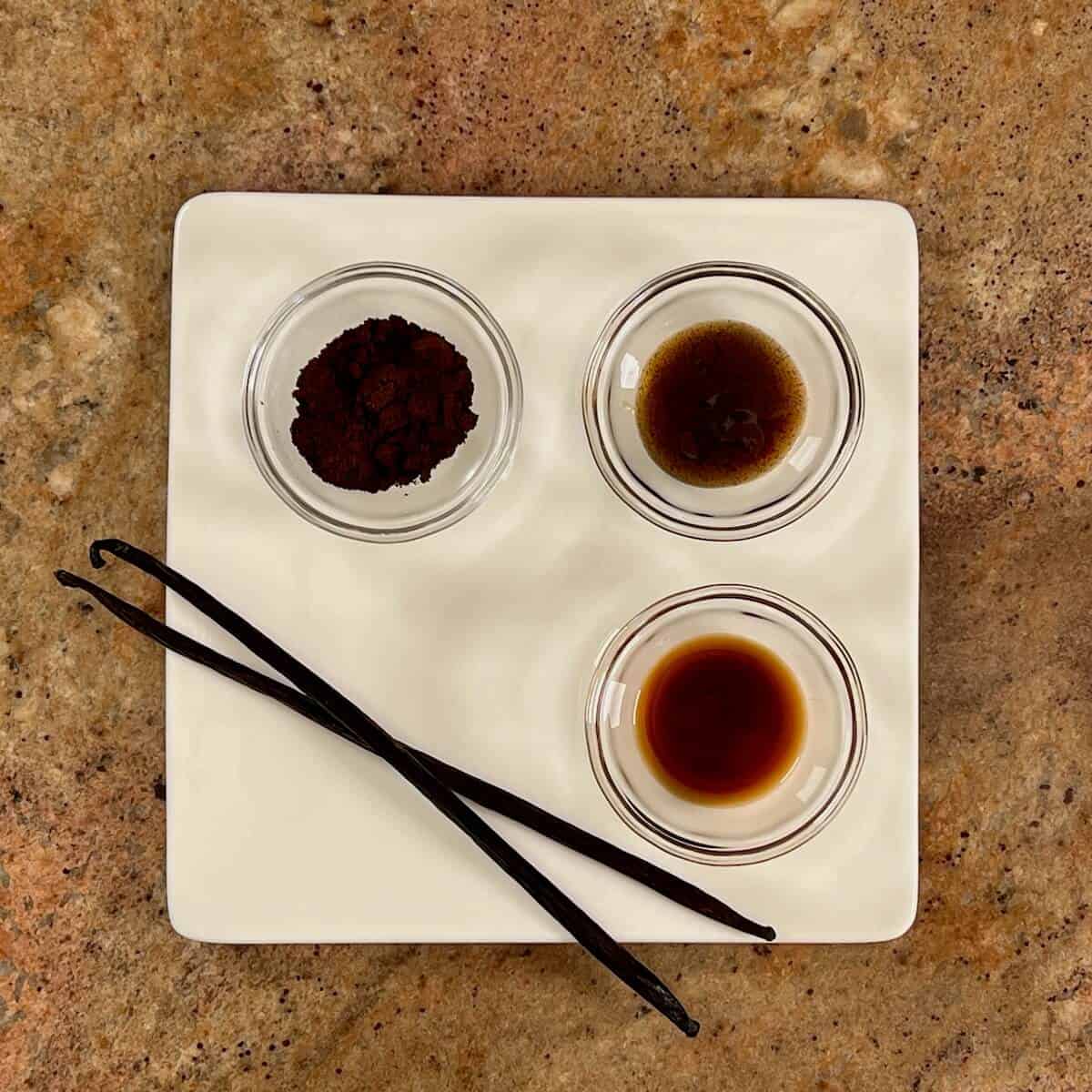
Wondering whether you need vanilla beans, vanilla paste, vanilla powder, or vanilla extract? Each one has its strengths, and choosing the right one can make a noticeable difference in flavor, appearance, and texture. This guide explains when to use each so you can bake with confidence!
Jump to:
[Note: This post is sponsored by Vanilla Bean Kings.]
Quick Guide Summary ✨
Types of Vanilla Explained: Learn the differences between whole vanilla beans, vanilla extract, vanilla bean paste, and vanilla bean powder so you can choose the best option for every recipe.
What's inside: Compare flavor, appearance, best uses, substitutions, storage, and how each product affects your baking. You'll also learn how to make homemade vanilla extract and vanilla sugar using leftover vanilla beans.
Perfect for home bakers: Whether you're baking cookies, making custard, churning ice cream, or decorating cakes, you'll know exactly which vanilla product to reach for, and why.
👉 Use the comparison tables and tips below to confidently choose the right vanilla for every baking project.
SUMMARIZE & SAVE THIS CONTENT ON
Why this information is helpful
- Spend your vanilla budget wisely: Know when whole beans are worth the splurge and when extract will do the job beautifully.
- Get the result you're after: Choose between visible vanilla flecks, concentrated flavor, or an all-purpose background note.
- Use every bit of those beans: Turn scraped vanilla bean pods into homemade extract rather than tossing something you've paid good money for.
- Match vanilla to the recipe: Learn when moisture, appearance, and flavor make one form a better choice than another.
Most baking recipes simply call for "vanilla," but the baking aisle offers far more choices than a single bottle of extract.
Between whole vanilla beans, vanilla bean paste, vanilla bean powder, and different strengths of vanilla extract, it isn't always obvious which one will give you the best results.
The good news is that each product has its strengths. Some add beautiful vanilla specks to custards and ice cream, others blend seamlessly into cake batters, and some let you add rich vanilla flavor without adding extra liquid.
And to ensure that the vanilla products I'm using are of the highest quality, I choose Vanilla Bean Kings as my go-to source for whole vanilla beans, vanilla extract, vanilla bean paste, and vanilla bean powder.
Once you understand what each one does, choosing the right vanilla becomes surprisingly easy!
Types of vanilla
Let's first dive deeper into what these different vanilla products really are.
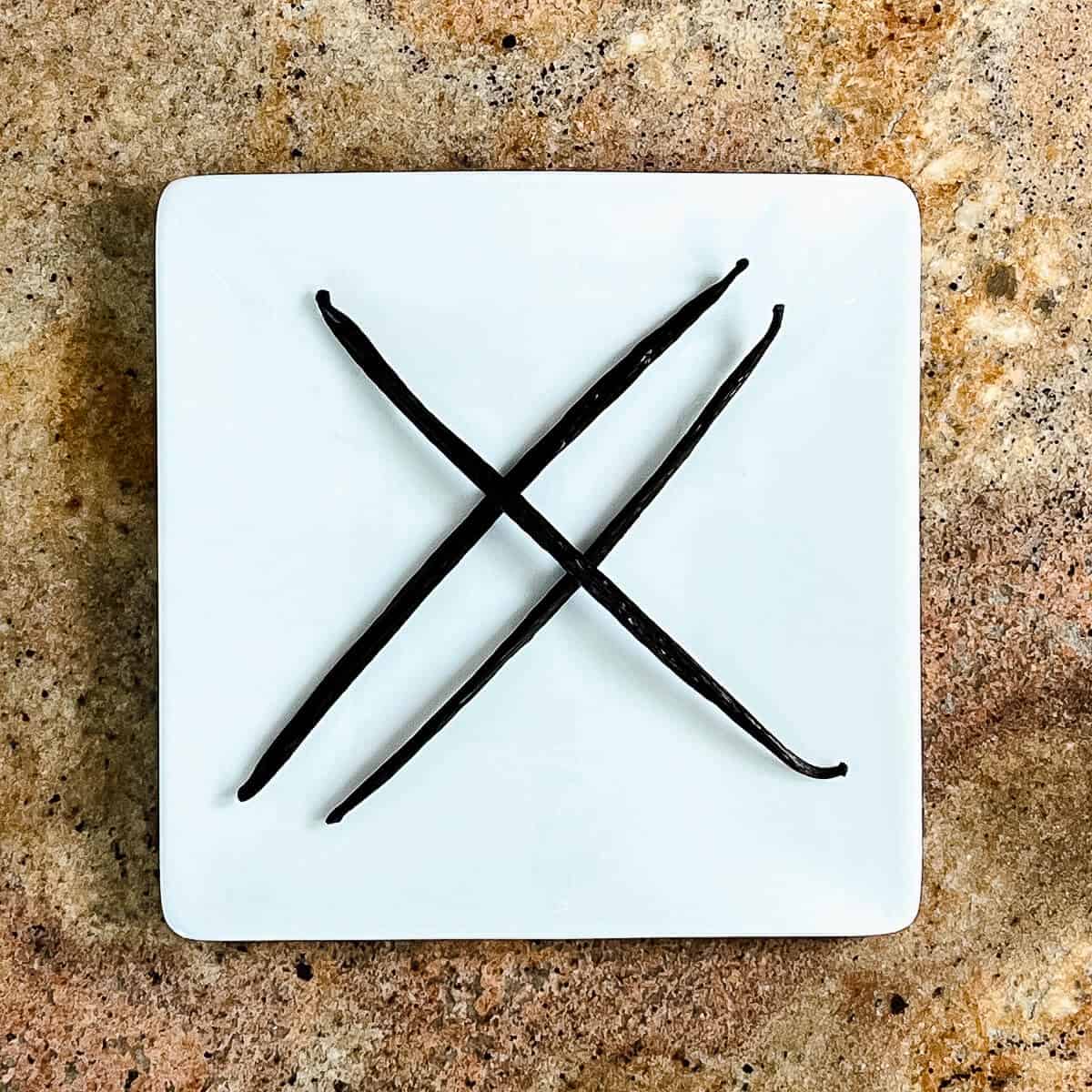
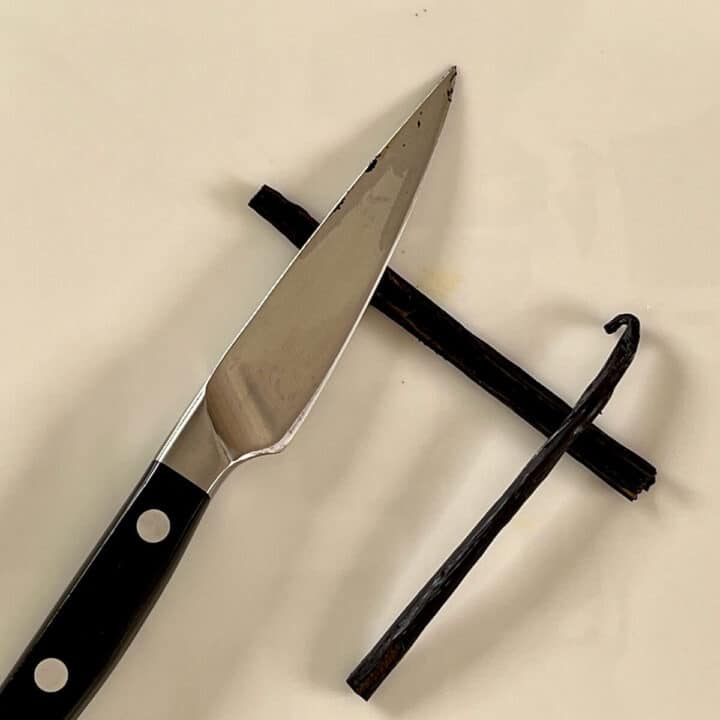
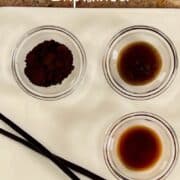
Whole Vanilla Beans
Vanilla is actually the dried fruit pod from orchids. It was first cultivated by Pre-Columbian Mesoamericans and was brought to Europe in the 1520s by Spanish conquistadors. Now grown in the tropical regions of Mexico, the South Pacific, Indonesia, and especially Madagascar, vanilla is the second-most expensive spice after saffron because it's very labor-intensive to grow and cure the pods.
Vanilla Bean Grades: Vanilla beans are graded into 2 categories:
- Grade A beans are best for cooking, baking, beverages, and making high-quality extracts because of their strong, rich vanilla flavor and fruity aroma. They will have a shiny, oily look to them and feel plump.
- Grade B beans have a sweet floral aroma and won't be quite as moist as Grade A. They're used primarily for making extracts.
Vanilla origins and flavor profiles: The various regions where the pods are grown will produce different flavor profiles. For the three most easily available regions:
- Madagascar vanilla: Rich and creamy
- Mexican vanilla: Bold, dark, and smoky
- Tahitian vanilla: More floral with cherry-chocolate notes
Storage: Because of the expense, you'll want to protect your fresh vanilla beans from drying out. Store them in a tightly sealed container (like a glass jar) at room temperature in a cool, dry place.
Vanilla Extract
Vanilla extract is made by steeping whole vanilla beans in alcohol and water to capture their rich flavor and aroma. It dissolves easily into both hot and cold mixtures, making it the go-to vanilla for cakes, cookies, custards, and other baked goods.
Pure vanilla extract from Vanilla Bean Kings contains only vanilla beans, alcohol, and water, with no added sugars or artificial flavors. Other brands can contain certain optional ingredients, including sweeteners, so checking the label is helpful.
Most grocery-store extracts are known as single-fold extract, the standard concentration used in recipes.
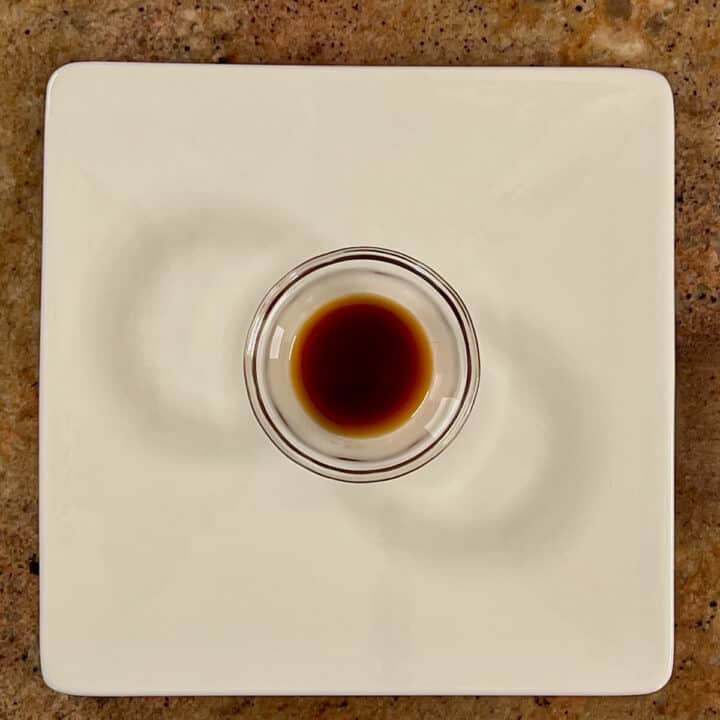
Premium extracts, aka double-fold extract, use a higher concentration of vanilla beans than the industry standard, resulting in a richer, more robust vanilla flavor. Double-fold extracts are commonly used by professional bakers when a stronger vanilla flavor is desired.
Vanilla Bean Paste
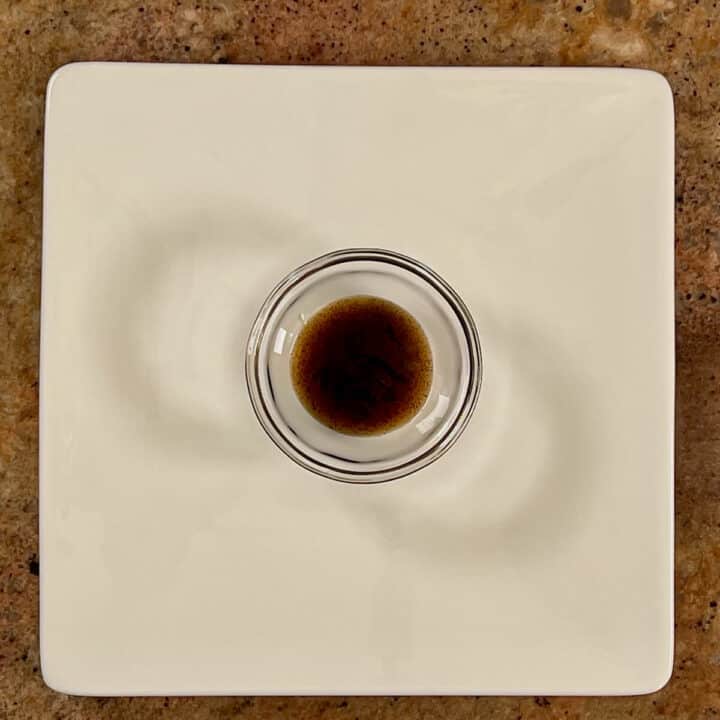
Made from vanilla extract blended with real vanilla bean seeds, vanilla bean paste delivers concentrated vanilla flavor along with the signature dark vanilla flecks you'd get from scraping a whole vanilla bean.
Its thick, syrup-like consistency makes it an excellent choice for baked goods, custards, frostings, glazes, and ice cream where you want both rich vanilla flavor and a beautiful speckled appearance.
It's an easy, less expensive alternative to whole vanilla beans and can generally be substituted 1:1 for vanilla extract.
Vanilla Bean Powder
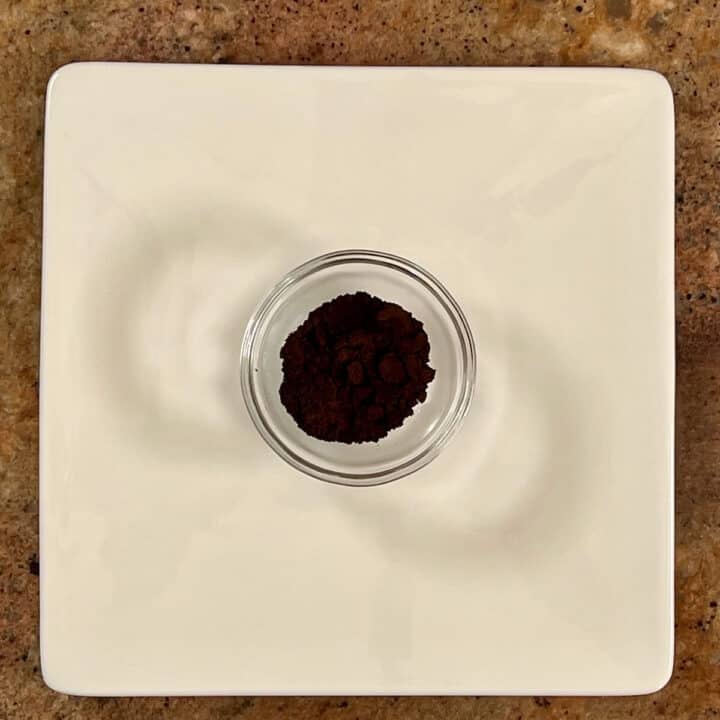
Made from finely ground whole vanilla beans, vanilla bean powder provides concentrated vanilla flavor and the signature dark vanilla flecks without adding liquid.
Unlike some products labeled simply "vanilla powder," pure vanilla bean powder contains only ground vanilla beans. It works especially well in baked goods, frostings, and ice cream.
Choosing the right vanilla for your recipe
I use real vanilla beans when I want the vanilla flavor to really take center stage, such as in French Vanilla Ice Cream or Crème Brûlée (aka Vanilla Custard topped with burnt sugar). When the flavor is a supporting actor (like in a chocolate cake or pecan pie), I'll use vanilla extract.
The type of vanilla you choose depends on what you're making:
- Everyday cakes, cookies, brownies, and pies: Vanilla extract is the dependable all-purpose choice, especially useful to underpin the main flavor of your recipe. It mixes easily into batters and doughs and gives you smooth vanilla flavor without visible specks. Try it in my Chocolate Kahlua Cake, Mocha Chocolate Truffle Cookies, or Southern Brown Sugar Pie.
- Custards and puddings: Whole vanilla beans are worth the splurge when vanilla is the star. Infusing the bean and seeds into the dairy gives you deep vanilla flavor and those lovely little flecks, as in my Pastry Cream and Homemade Eggnog.
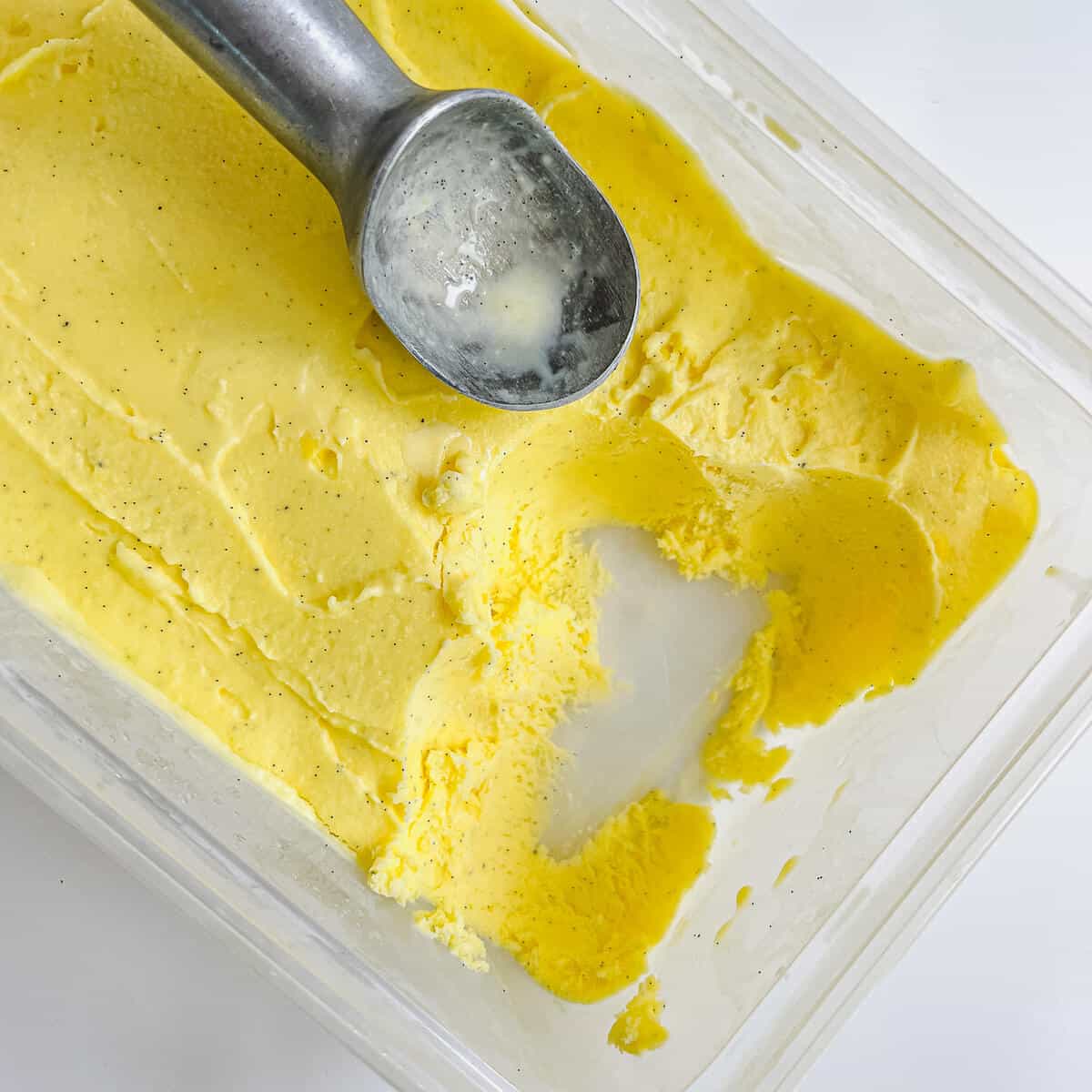
- Ice cream and gelato: Whole vanilla beans or vanilla bean paste provide rich flavor plus visible vanilla specks. I reach for whole beans in my French Vanilla Ice Cream, where there's nowhere for that vanilla flavor to hide, and vanilla bean paste in my Salted Caramel Swirl Gelato when I want similar character with less fuss.
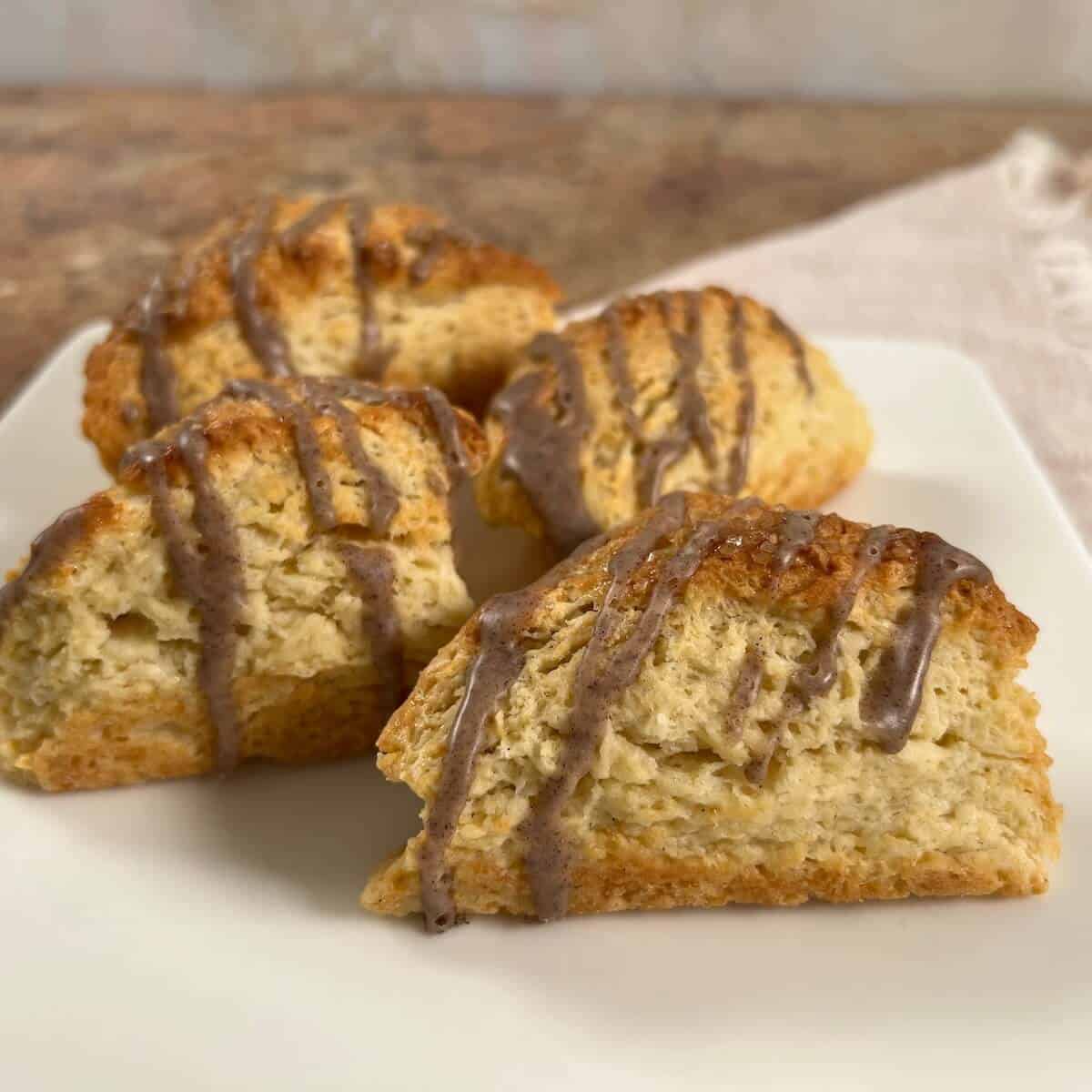
- Frostings and glazes: Vanilla bean paste is especially handy because you get concentrated flavor and pretty vanilla flecks without having to scrape a bean. It's just the thing for the glaze on my Mini Vanilla Bean Scones.
- Recipes where you don't want extra liquid: Vanilla bean powder adds concentrated flavor without changing the liquid balance, making it useful for frostings and dry mixes.
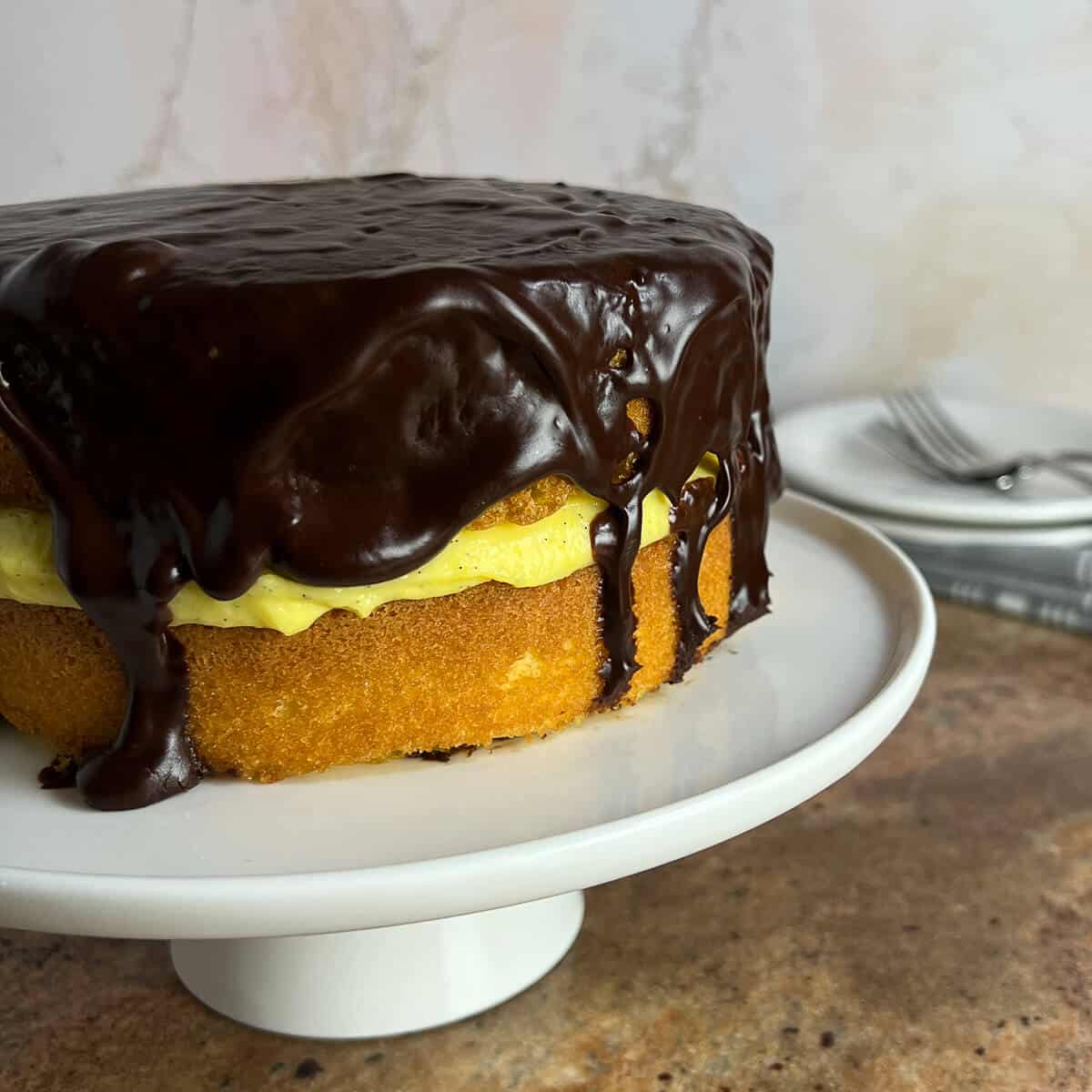
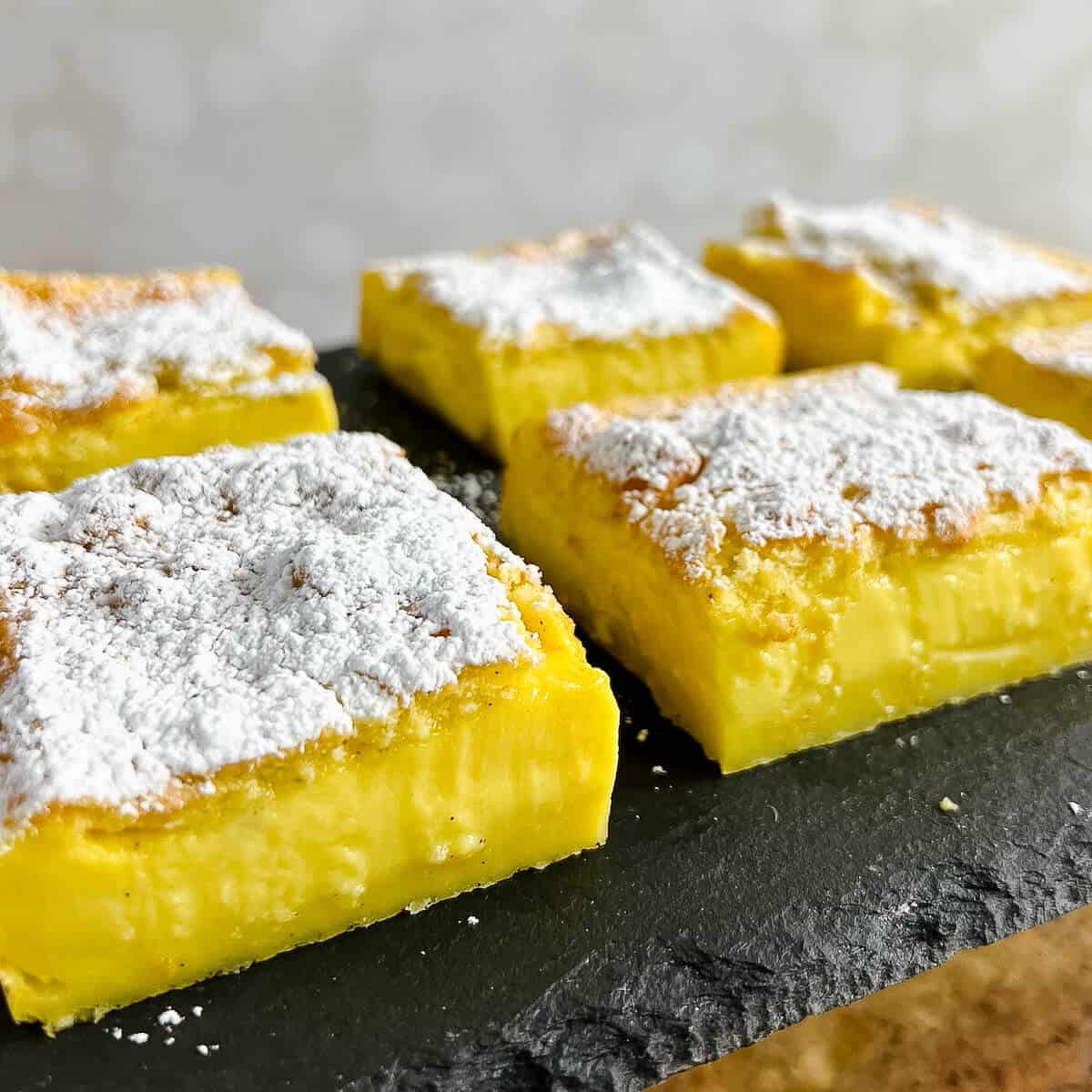
- Homemade vanilla extract: Grade B vanilla beans are a budget-friendly choice since appearance and plumpness don't matter when the beans are going for a long soak in alcohol. You can also use the spent pods from scraped vanilla beans that you've infused into your recipe, like with Vanilla Bean Magic Custard Cake. Just rinse the pods prior to adding them to your jar.
Comparing the vanilla types at-a-glance
| Whole Beans | Paste | Extract | Powder | |
| What is it? | Whole cured vanilla pod | Extract + vanilla seeds | Beans infused in alcohol and water | Ground whole beans |
| Flavor | Rich and complex | Rich and concentrated | Smooth, balanced | Concentrated |
| Visible specks | Yes | Yes | No | Yes |
| Adds liquid | No | A little | Yes | No |
| Best for | Vanilla-forward desserts, infusions | Custards, frostings, glazes, ice cream | Everyday baking | Dry mixes, frostings, low-liquid applications |
| Convenience | Requires splitting/scraping | Very easy | Easiest | Very easy |
How to substitute different types of vanilla
Changing one vanilla type for another is fairly straightforward. Just be aware of a few qualifiers:
- Extract ↔ paste: Usually 1:1, but check the manufacturer's directions
- Whole bean → paste: Manufacturer recommendations vary; many pastes provide an equivalent for one whole bean
- Powder → extract or paste: Check the package because vanilla powders vary significantly in concentration
How long do vanilla products last?
Vanilla products don't necessarily spoil when they reach their suggested shelf life, but their flavor and quality can diminish over time, especially for paste and powder. The storage requirements for the different types of vanilla vary:
| Product | Shelf life |
| Beans | 1 to 2 years stored properly |
| Extract | Indefinite (best flavor 4 to 5 years) |
| Paste | Usually 2 to 3 years, unopened |
| Powder | 2 to 3 years |
More ways to use vanilla
Make your own vanilla extract
You can, of course, buy good quality vanilla extract, but making your own is so easy! I use empty spice jars for making extract, but you can use clear glass bottles, especially if you want to give your homemade vanilla extract as a gift.
All you do is immerse split vanilla beans in vodka, that is, infuse the vodka with vanilla (just like when making Limoncello liqueur when you infuse vodka with lemon).
Store the jar in a cool, dark place and let it sit for a few weeks, gently shaking the bottle every few days. The longer the extract sits, the darker it becomes. When the extract has a dark color and smells floral, it's ready to use in your cooking and baking.
In this photo, the jar on the right is freshly made, while the jar on the left has been sitting for over a year.
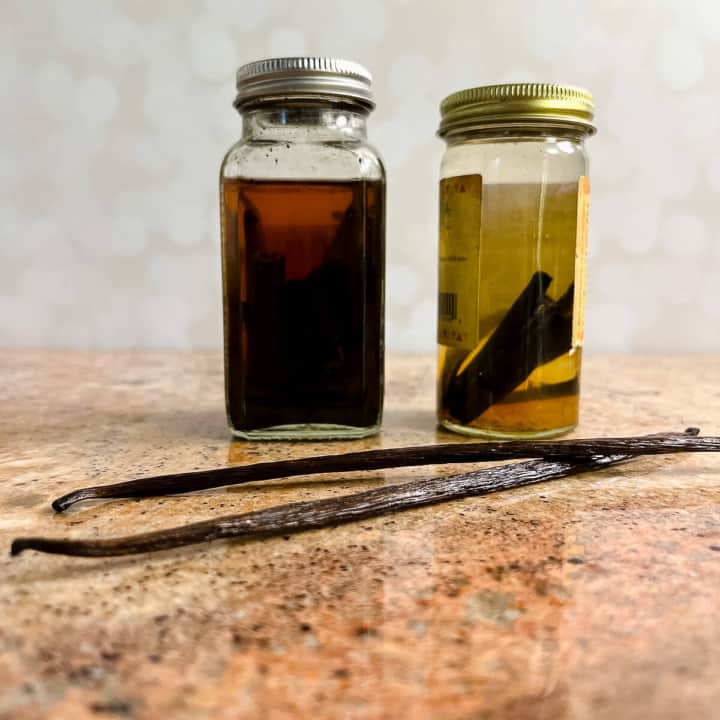
If you're going to be using real vanilla beans in your cooking and baking, this a great way to recycle those expensive spent beans. If you've used the vanilla beans to infuse milk or cream, briefly rinse the milk off the steeped bean before popping it in the jar.
Make vanilla sugar
Mix 1 tablespoon vanilla bean powder with 1 cup of granulated sugar in a jar with a tight-fitting lid (a pint-sized or quart-sized canning jar works well). Shake well. It will keep at room temperature indefinitely (the longer it sits, the better it gets).
Uses:
- As a finishing sprinkle on baked goods after baking
- Stirred into hot drinks
Questions asked and answered
Here are some questions you might have...
Most of the alcohol in vanilla extract evaporates during baking, although some may remain depending on the cooking time and temperature. Since extract is used in small amounts, very little alcohol is present in each serving. For an alcohol-free option, use vanilla bean powder or a whole vanilla bean.
While they might taste similar, these two products are not the same. Pure vanilla extract must contain vanilla beans, while imitation vanilla is typically made from synthetic vanillin.
Yes, especially if you regularly make vanilla-forward or pale desserts and want rich vanilla flavor with visible specks without the expense or work of using whole beans.
Didn't find the answer you're looking for?
Ask AI to answer for this specific recipe:
Disclaimer: I am not responsible for the quality of AI information

Slainté! L'chaim! Cheers!
- Tammy


Comments
No Comments