

These buttery Shortbread Cutout Cookies are tender, melt-in-your-mouth treats made with just three simple ingredients. The easy-to-roll dough holds its shape beautifully when baked, making these cookies perfect for stamping, decorating, and celebrating any occasion!

Jump to:
Quick Recipe Summary ✨
Classic shortbread cutout cookies: Made with the traditional flour, butter, and sugar combination, these tender cookies have crisp edges and a rich, buttery flavor. Perfect for cookie cutters and decorative stamps!
Simple shaping method: Roll the dough before chilling, then refrigerate the cutouts for 20 minutes before baking to preserve their shapes and stamped designs.
Active Time: 20 minutes • Chill Time: 20 minutes • Bake Time: 14 to 16 minutes • Total Time: About 1 hour
Difficulty Level: ⭐ Easy. A beginner-friendly dough with straightforward rolling, cutting, and baking techniques.
Yield: About 24 (3-inch) cookies • Freezer-friendly: Baked cookies up to 3 months • Make-ahead: Dough can be refrigerated up to 5 days or frozen up to 2 months.
👉 Follow the step-by-step instructions and troubleshooting tips below for tender Shortbread Cutout Cookies with crisp edges and beautifully defined shapes!
SUMMARIZE & SAVE THIS CONTENT ON
Why this recipe works
- Classic shortbread ratio: The 3:2:1 flour-to-butter-to-sugar ratio gives the cookies their rich flavor and tender, crumbly texture
- No eggs or leavening: The dough doesn't puff up like sugar cookie dough, helping cutouts keep their defined edges
- Easy to customize: Add your favorite flavorings or decorate the finished cookies to suit any occasion
Longtime readers know I'm a fan of Outlander (it's even one of the reasons I started this website!). While waiting for the next season during what we fans call "Droughtlander," I started watching PBS's All Creatures Great and Small. Set in the Yorkshire Dales during the late 1930s and early 1940s, this charming series follows a rural veterinary practice through the joys and challenges of everyday life.
I'm such an Anglophile and baker, and when I saw one of the characters baking shortbread cutout cookies decorated with a stamped design to bring to her enlisted son, I knew I had to make some, too.
I adapted my Traditional Scottish Shortbread Cookies recipe (that are shaped as bars) to roll them out easier. Plus, chilling the cookies prior to baking helps the cutouts to hold their shape in the oven. And boy, are they terrific!
With only three ingredients, shortbread cutout cookie dough is easier to make than sugar cookie dough (no eggs required!). The taste is rich and buttery, with that melt-in-your-mouth texture that shortbread is known for.
Shortbread is quite yummy on its own, but you can also dress up your cutout cookies for any occasion. Make trees for Christmas, stars for Hanukkah, or hearts for Valentine's Day, just to name a few examples. You can decorate the cookies to your liking, or portion the dough without needing to roll out the dough, like I've done with my Lemon Shortbread Cookies.
Do yourself a favor and bake a batch of shortbread today. And if you're so inclined, serve as an afternoon snack with your favorite relaxing beverage. Close your eyes and think about sweeping green hillsides, pleasant company, and love.
Utterly delicious!
- Natalie
Recipe ingredients
You'll need the following ingredients to make this shortbread cutout cookies recipe:

Ingredient Notes
There are only three main ingredients to make these shortbread cookies: flour, butter, and sugar. Salt is optional.
Flour: I've written a separate post about why is shortbread called shortbread and a bit of its history. In that post I mention the 3:2:1 recipe ratio of 3 parts flour, 2 parts butter, and 1 part sugar (by weight).
This recipe for shortbread cookies follows that 3:2:1 shortbread ratio exactly (any discrepancies are due to rounding from weight to volume measurements). There's more flour used here than in my Scottish shortbread cookies recipe, making the dough easier to roll out.
I highly recommend using a kitchen scale to measure out the ingredients, especially the flour. You don't want to over-measure it and end up with a dry dough.
For gluten-free shortbread, use the same amount of 1:1 gluten-free all purpose flour (although the dough texture and handling might vary).
Butter: Because butter features prominently in a shortbread recipe, use the best butter available - the richer the butter, the better the flavor of the shortbread. European butter, with its high butterfat content, really shines here.
Sugar: This recipe uses granulated sugar. In the UK, using caster sugar (aka superfine sugar) is more common. That type of sugar will cream with the butter faster, and can be substituted in for the granulated sugar if desired.
Some recipes use powdered sugar (aka confectioner's sugar or icing sugar) instead of granulated sugar. Since powdered sugar contain cornstarch, this gives the shortbread cookies a softer texture. I don't find it necessary, but that's up to you.
Salt: I keep saying this is a three ingredient shortbread recipe, and that's true, up to a point.
There's an assumption that you'll be using salted butter. If you're using unsalted butter you have to...say it with me now...add salt (specifically ½ to ¾ teaspoon of salt, depending on how salty you prefer the shortbread).
Why does the recipe assume salted butter is being used? Since the original recipe was first written in the early 18th century (presumably made even before that), salt was used to keep butter fresher longer without the need for refrigeration.
Nowadays, most bakers use unsalted butter so we can control the amount of salt in the dish. Use either kind of butter you'd like, but add salt if you're using unsalted butter.
See the recipe card for a full list of ingredients and measurements.
Shortbread flavor variations
Shortbread can be flavored with extracts like ½ teaspoon of vanilla, or ⅛ teaspoon of stronger-flavored extracts like almond, mint, or Fiori di Sicilia (an orange vanilla extract). You can also use mix-ins like lemon juice and zest (like in Lemon Shortbread Cookies) or food-safe dried lavender buds.
To make Lavender Shortbread, use a knife to finely chop food-safe dried lavender buds into a powder. Mix 1 tablespoon of the lavender powder in with the butter and sugar, then stir in ½ teaspoon vanilla extract before adding the flour. Shape and bake as usual.
How to make shortbread cutout cookies
Step 1: Make the shortbread dough
Beat the butter, sugar, and salt (if using) on medium speed until smooth, about 30 seconds.
Add the flour and mix just until a smooth, yet crumbly dough forms (photo 1).

Step 2: Cut out the cookies
Shape the shortbread dough into a rough ball and transfer to a work surface (lightly floured, if desired).
Covering the dough with plastic wrap (to help keep the dough from sticking), roll out to a ¼-inch thickness. Remove the plastic wrap (photo 2).

Roll the dough to the right thickness
Rolling the dough to ¼-inch thick gives the cookies enough structure for cutting, stamping, and decorating while keeping their centers tender. Thinner cookies will be more delicate.
Cut out the cookies with your preferred cookie cutter. You can use a cookie stamp to make stamped shortbread cookies, if desired (photo 3).
Re-roll the scraps and cut out more shapes, but not more than twice if possible - the cookies can become tougher if the dough is overworked.

Keep your cookie cutter or stamp from sticking
For clean edges and clear stamped designs, lightly flour cookie cutters or stamps if they stick. Press straight down into the dough, then lift without twisting.
Step 3: Chill the cutout shortbread
Transfer the cut out cookies to a half sheet baking pan lined with a Silpat silicone mat or parchment paper, spacing them about 2-inches apart (photo 4).
Chill the shortbread cutouts for 20 minutes to firm up the butter. This will help the cookies from overspreading and will preserve the stamped designs.

Step 4: Bake the cookies
Bake the chilled shortbread cutouts at 350˚F for 14 to 16 minutes (photo 5).
They should remain pale on top, with the edges just beginning to turn golden. Don't wait for the tops to brown, or the cookies may become too crisp.

Allow the shortbread to cool for 5 minutes on the baking pan. If the cookies have puffed up during baking, you can gently flatten them with the bottom of a spatula as they cool (photo 6).
Transfer the cookies to a wire rack to cool completely.

Storage and make-ahead instructions
Storage instructions: Shortbread cookies can be kept in an airtight container at room temperature for up to 3 days, or in the refrigerator for up to a week.
You can also freeze the baked cookies for up to 3 months, placed in an airtight freezer container. Thaw at room temperature before enjoying.
Make-ahead instructions: Unbaked shortbread dough can be refrigerated for up to 5 days or frozen for up to 2 months. Let the refrigerated dough come to room temperature before rolling out.
For longer storage, you can either freeze the entire batch of dough as a large disk or freeze the individual shortbread cookie cutouts. To use:
- Defrost the disk overnight in the refrigerator, then let it come to room temperature before rolling out and shaping the dough
- Frozen shortbread cutouts can be baked from frozen at 325 °F for 15 to 17 minutes
Yield Notes
The yield will depend on the size of the cookie cutters used. I've found that using a 3-inch round cookie cutter will yield 24 cookies.
Troubleshooting tips
Here are some issues you might encounter when making these Shortbread Cutout Cookies:
- Dough is too dry or crumbly: Make sure the flour was measured accurately, preferably by weight. Gently press the dough together before rolling; avoid adding extra flour.
- Dough sticks to the rolling pin: Roll between sheets of plastic wrap (or parchment paper). If the dough feels greasy or overly soft, chill it briefly.
- Cookies spread or lose their shape: Chill the cutouts for the full 20 minutes before baking. Make sure the baking pans are cool before adding another batch.
- Stamped designs disappear: Press the stamp firmly enough to leave a clear impression, then chill the cookies before baking.
- Cookies are tough or hard: Avoid overmixing the dough or repeatedly re-rolling the scraps. Bake just until the edges begin to turn golden.
- Cookies break when transferring: Use a thin spatula to move the cutouts, and let the baked cookies cool on the pan for 5 minutes before transferring them to a wire rack.

Decorate the shortbread cutouts
These buttery shortbread cookies are delicious plain, but they're also fun to decorate! Add a simple cookie glaze or decorate with royal icing and sprinkles once they're completely cool.
For an easy decoration, you can dip or drizzle the cookies with chocolate. Just melt 1 cup (170 grams) of chocolate chips in the microwave on HIGH for 1 to 1½ minutes at 20- to 30-second intervals, stirring between each time. Dip the cooled cookies in the chocolate, or drizzle on the chocolate. Either way, place the cookies on a wire rack and allow chocolate to set before serving.

Questions asked and answered
Here are some questions you might have...
Shortbread cookies are made with a higher proportion of butter and typically contain no eggs or leavening, giving them a tender, crumbly texture. Sugar cookies usually contain eggs and sometimes baking powder, producing a sturdier cookie with a different texture
I find that room-temperature shortbread dough is easier to roll, cut, and stamp without cracking (using plastic wrap helps to keep the dough from sticking to the rolling pin). Chilling the shaped cookies before baking firms up the butter, helping them hold their shape and preserve stamped designs.
If you prefer, you can roll out the dough on a mat or parchment paper, then transfer it to the refrigerator for chilling before cutting out (and stamping) the dough.
Didn't find the answer you're looking for?
Ask AI to answer for this specific recipe:
Disclaimer: I am not responsible for the quality of AI information



I hope you like this recipe! Let me know if you have any questions, and don't forget to leave a comment and rating. Thanks!
Slainté! L'chaim! Cheers!
- Tammy
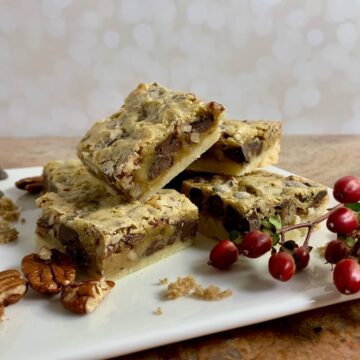
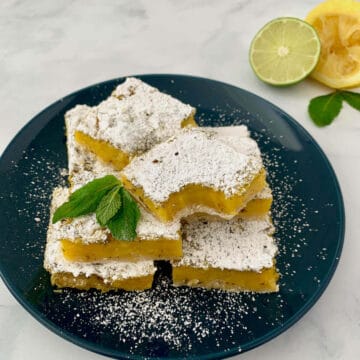
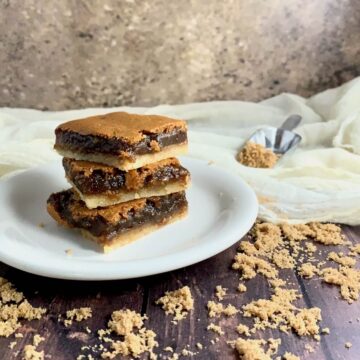
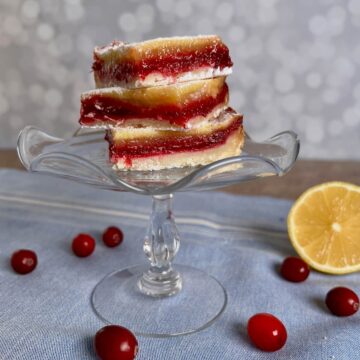
More recipes featuring shortbread to try
Recipe

Shortbread Cutout Cookies
Equipment
- 2 silicone mats or parchment paper
- 3-inch round cookie cutter or your preferred shape and size
- cookie stamp optional
Ingredients
- 1 cup butter, salted or unsalted, softened, see Recipe Notes
- ½ cup plus 1 tablespoon granulated sugar
- ½ to ¾ teaspoon kosher salt, if using unsalted butter, see Recipe Notes
- 2¾ cups all-purpose flour, see Recipe Notes
Instructions
- Preheat the oven to 350 °F. Line 2 half sheet baking pans with a Silpat silicone mats or parchment paper. Set aside.
- Make the cookie dough: In the bowl of a stand mixer (or just a large bowl if using a hand mixer), beat 1 cup butter, ½ cup plus 1 tablespoon granulated sugar, and ½ to ¾ teaspoon kosher salt (if using) on medium speed until smooth, about 30 seconds. Add 2¾ cups all-purpose flour and mix just until a smooth, yet crumbly dough forms.
- Cut out the cookies: Shape the shortbread dough into a rough ball and transfer to a work surface (lightly floured, if desired). Covering the dough with plastic wrap (to help keep the dough from sticking), roll out to a ¼-inch thickness. Remove the plastic wrap.
- Cut out the cookies with your preferred cookie cutter, and stamp them with a design, if desired. For clean edges and clear stamped designs, lightly flour cookie cutters or stamps if they stick. Press straight down into the dough, then lift without twisting.Transfer the cut out cookies to the prepared baking pan, spacing them about 2-inches apart.Re-roll the scraps and cut out more shapes, but not more than twice if possible - the cookies can become tougher if the dough is overworked.
- Chill the shortbread cutouts for 20 minutes to firm up the butter. This will help the cookies from overspreading and will preserve the stamped designs.
- Bake the cookies: Bake the chilled shortbread cutouts for 14 to 16 minutes. They should remain pale on top, with the edges just beginning to turn golden. Don't wait for the tops to brown, or the cookies may become too crisp.
- Allow the shortbread to cool for 5 minutes on the baking pan. If the cookies have puffed up during baking, you can gently flatten them with the bottom of a spatula as they cool.Transfer the cookies to a wire rack to cool completely.
- After the shortbread cutouts have cooled, you can decorate them if you'd like. Dip or drizzle them with melted chocolate, or frost as you would a sugar cookie. Have fun!
- Storage instructions: Shortbread cutout cookies can be kept in an airtight container at room temperature for up to 3 days, or in the refrigerator for up to a week.You can also freeze the baked cookies for up to 3 months, placed in an airtight freezer container. Thaw at room temperature before enjoying.
- Make-ahead instructions: Unbaked shortbread dough can be refrigerated for up to 5 days or frozen for up to 2 months. Let the refrigerated dough come to room temperature before rolling out.For longer storage, you can either freeze the entire batch of dough as a large disk or freeze the individual shortbread cookie cutouts. Defrost the disk overnight in the refrigerator, then let it come to room temperature before rolling out and shaping the dough.Frozen shortbread cutouts can be baked from frozen at 325 °F for 15 to 17 minutes.
- Yield Notes: Your yield will depend on the size of the cookie cutters used. I've found that using a 3-inch round cookie cutter will yield 24 cookies.


Disappointed says
I have never left a comment on a recipe before but this this dough DID NOT WORK!!! Too crumbly! Should’ve read the other comments. I see the recipe creator said maybe too much flour, but I followed the recipe as written…maybe the creator needs to edit the recipe to say less flour and add more as needed? Anyway, this recipe is NOT IT
Tammy Spencer says
I’m sorry the recipe didn’t work for you. As you noted, the culprit is usually using too much flour, and weighing the flour is much more accurate than scooping it. If you don’t have a kitchen scale , be sure to fluff the flour, spoon it into your measuring cup, and level it off with a knife.
Also, you can always mix in more softened butter (in 1 tablespoon increments), until a smooth, yet crumbly dough forms.
I hope these tips help. Good luck, and happy baking!
Colleen says
So you recommend weighing the ingredients but don’t provide weights? 😕
Tammy Spencer says
Hi Colleen, if you switch from US Customary to Metric (next to the Ingredients label), you’ll change the units from volume to weight. Good luck, and happy baking! 😉
Miranda says
The taste isn't bad, but I followed the recipe exactly and the cookies are too crumbly to do cutouts with. I should have tried this recipe before making them for family Easter.
Tammy Spencer says
Hi Miranda, I'm sorry the cookie dough didn't work for you. An overly crumbly dough could mean that you have too much flour in it. Measuring flour is tricky if you're not using a kitchen scale. If you're using a measuring cup, it's best to spoon the flour into the cup and level off the top rather than scooping up the flour with the measuring cup (that risks packing in more flour than you need).
To fix too-crumbly cookie dough, mix in softened butter in 1 tablespoon increments until the dough will just hold together when squeezed. Hope this helps, and happy baking! 😉
Tammy Spencer says
I enjoyed creating this recipe for you, and I hope you like it as much as I do. Please leave your questions or comments with a star rating so that other readers can benefit from your experience. Thanks!