

Mini Sourdough Discard Popovers are an easy way to turn leftover starter into puffy little rolls. Using only five ingredients, these popovers have a subtle sourdough tang with a crisp crust and soft interior. They're a quick, zero-waste way to have a delicious, comforting treat that will make any meal special!

Jump to:
Why this recipe works
- With only 5 ingredients, you can mix up the batter and bake the popovers as soon as the oven is heated
- While you can use either fed or unfed sourdough starter in this sourdough popover recipe, using sourdough discard means there's zero-waste when maintaining your starter
- Making mini popovers allows for portion control, and are cute to boot!
Popovers are fun - turning a thin batter into light and puffy rolls seems almost like magic.
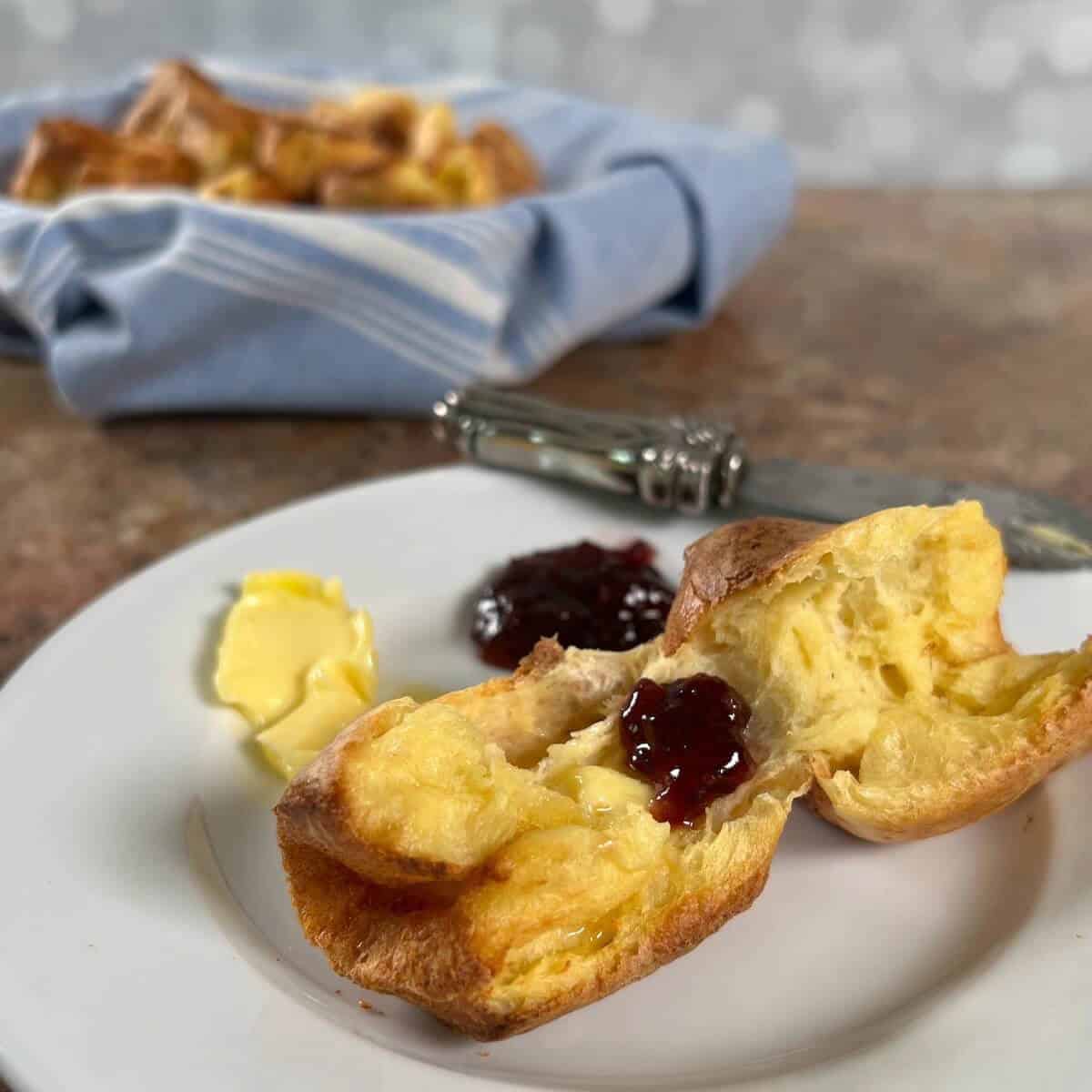
What is a popover, you might ask? According to Merriam-Webster, it is "a hollow quick bread shaped like a muffin and made from a thin batter of eggs, milk, and flour." In other words, popovers are a delicious crispy shell with a soft interior that begs for a smear of butter and jam!
In addition, I like using sourdough discard in my side dish dinner rolls. It allows me to add a subtle tang to the bake while using up the unfed sourdough starter that I don't want to throw away. Soft Sourdough Dinner Rolls, Sourdough Discard Foccacia, Buttery Sourdough Discard Biscuits, and Sourdough Herb Ciabatta Rolls all share this philosophy.
Now it's time to bring popovers into the lineup. And since I'm all about portion control, these Mini Sourdough Discard Popovers are not only tasty, they're a two-bite treat!
Recipe ingredients
You'll need the following ingredients to make this Sourdough Discard Popovers recipe:
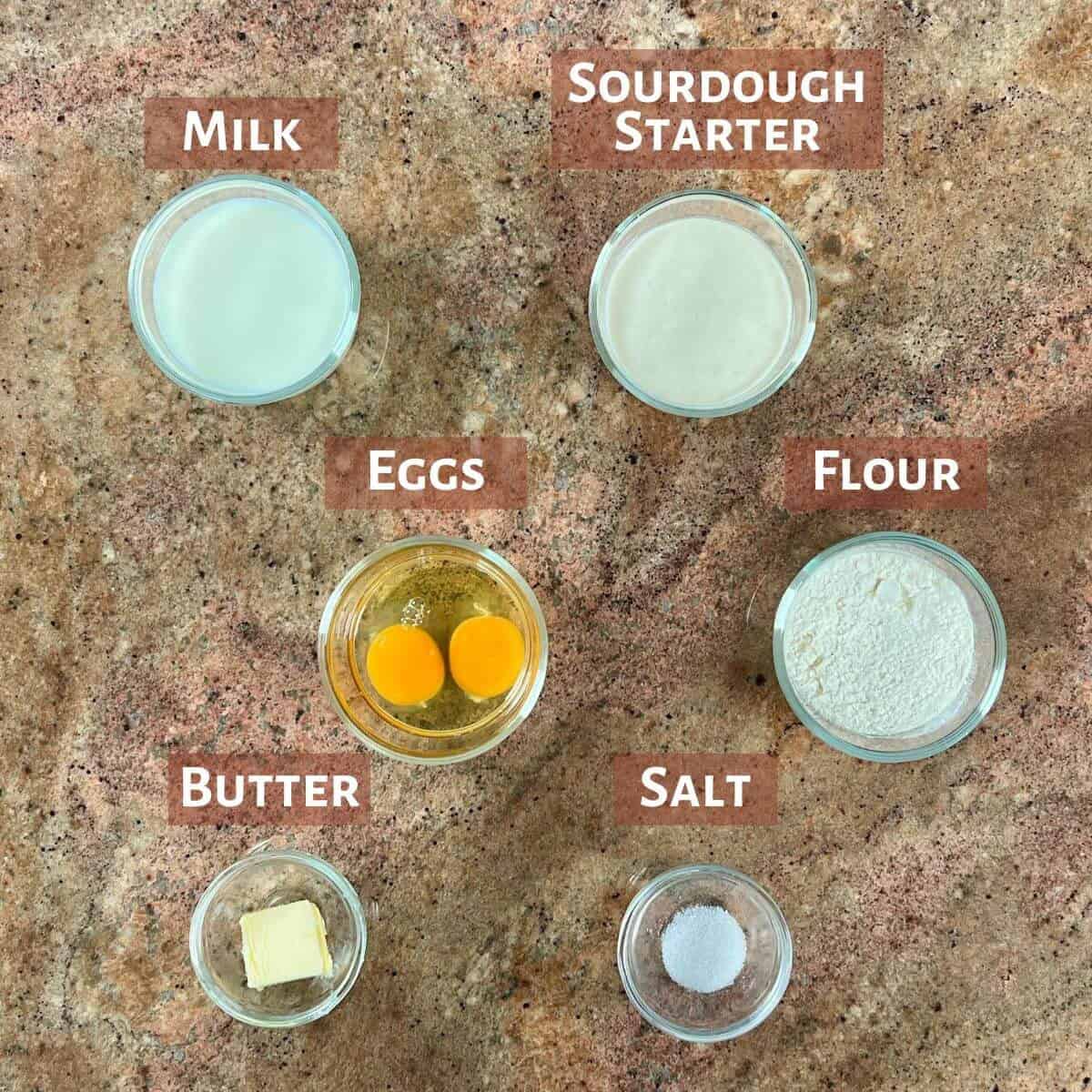
Ingredient Notes
A standard popover recipe needs only 3 basic ingredients -- milk, eggs, and flour -- using a recipe ratio of 2 : 1 : 1 (2 parts milk, 1 part eggs, and 1 part flour, by weight). A kitchen scale is helpful to make sure your ingredient amounts are accurate, especially when scaling the recipe up or down.
For these Sourdough Discard Popovers, I've adapted the recipe to account for the flour and water that are present in the sourdough starter itself while maintaining the popover recipe ratio.
Milk: You can use any type of milk (or milk substitute) in your popover batter.
Flour: All-purpose flour can be used with good results for these mini popovers. Using bread flour, with it's higher protein content, can help maintain the batter's structure better (which helps with the popover's ultimate rise), especially if you're making full-sized popovers.
Sourdough starter discard: Sourdough discard is unfed sourdough starter, the amount you remove from your crock before feeding the remainder starter (I use the discard so that my sourdough maintenance is zero-waste). Since the sourdough starter is here strictly for flavor, you can use either fed starter or unfed discard in the batter. Popovers don't rely on fermentation for leavening - they puff via steam instead of yeast - so whether your started is fed or not doesn't matter.
No sourdough starter? No problem! You can make mini popovers by replacing the starter with more flour and water (see the Recipe Notes for the exact amounts).
Butter: Melted butter is used to grease the wells of the mini popover pan so the popovers release easily (it's not counted in the list of ingredients to make popovers). You can also use canola oil if you'd prefer.
See the recipe card for a full list of ingredients and measurements.
How to make Sourdough Discard Popovers
Step 1: Make the batter
Place a mini popover pan in the oven and preheat the oven to 400°F. It's best to have all your ingredients at room temperature before mixing up the batter.
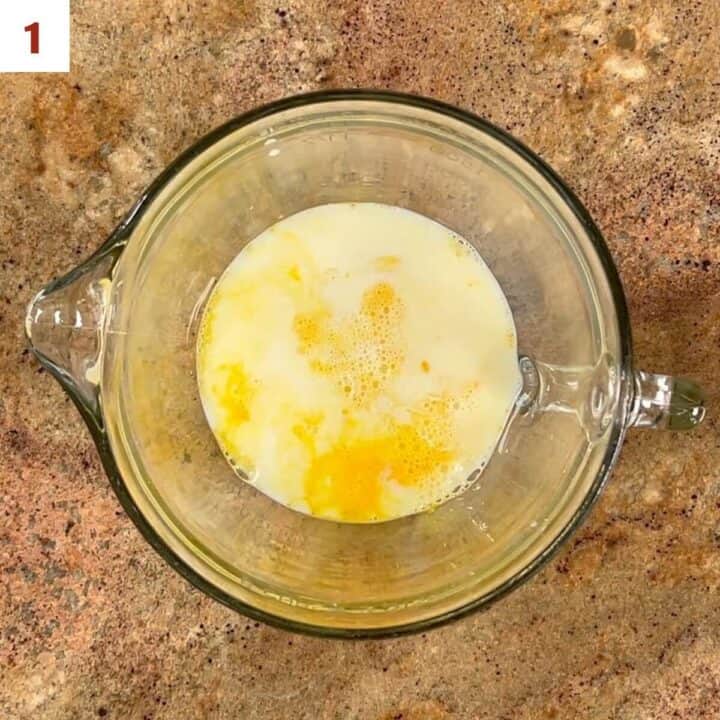
Combine the eggs, warmed milk, sourdough starter discard, and salt.
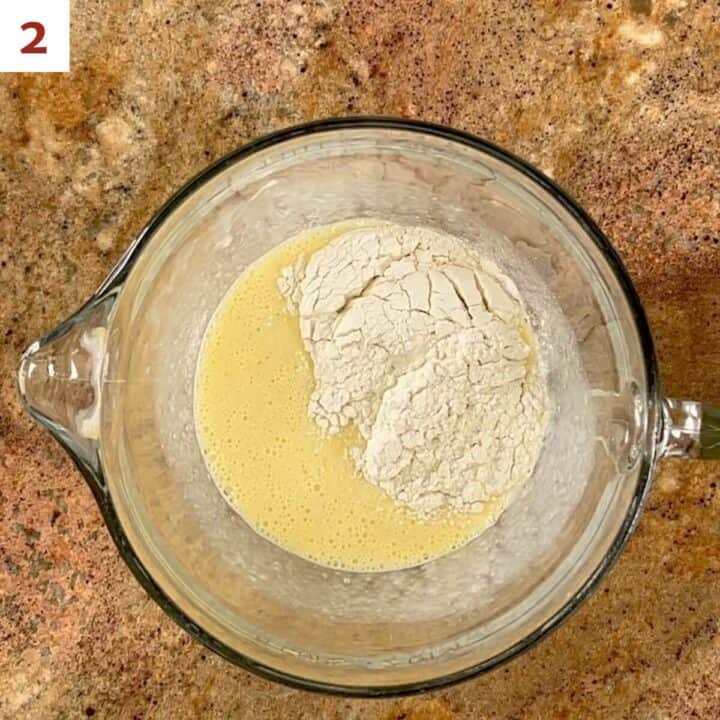
Stir in the flour until the batter is just combined (a few small lumps are OK).
The batter will be about the consistency of heavy cream, and thinner than pancake batter. Adjust the batter with warm water or flour (in 1 tablespoon increments) to make sure it's the correct consistency.
Rest the popover batter
Let the batter rest for about 30 minutes while the oven comes up to temperature. This rest period allows the flour to fully hydrate, improving the texture of the finished popovers.
Step 2: Bake the popovers
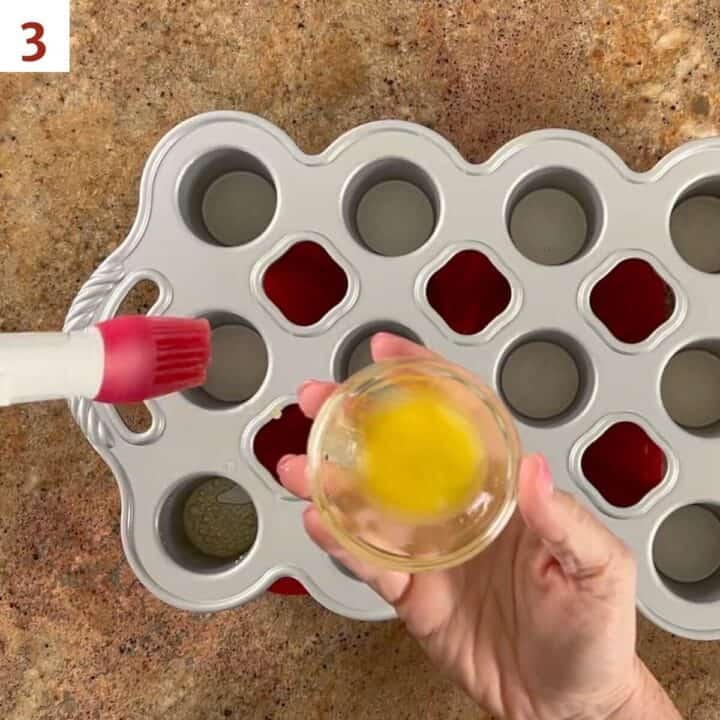
Carefully remove the hot pan from the oven. Use a pastry brush to generously coat the wells with melted butter or canola oil.
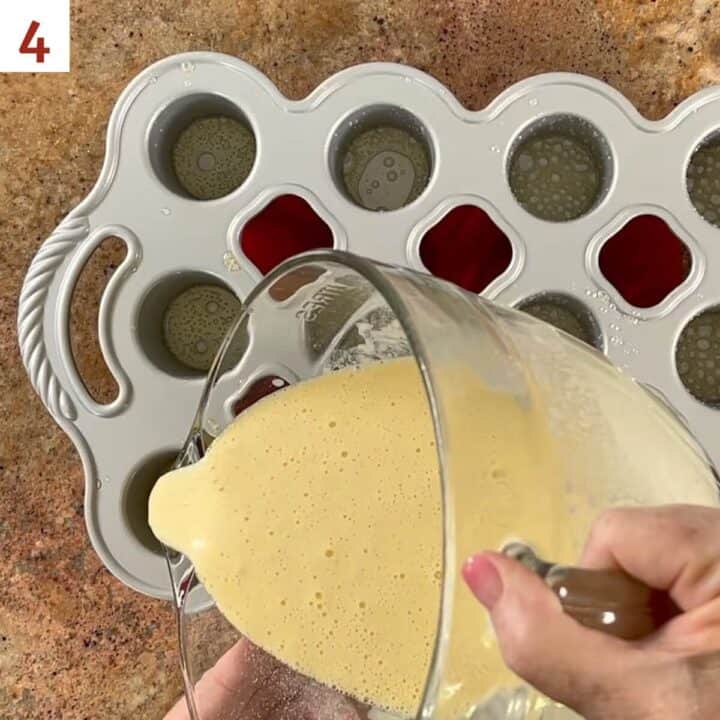
Quickly pour the batter into the greased cups, filling them about ¾ full.
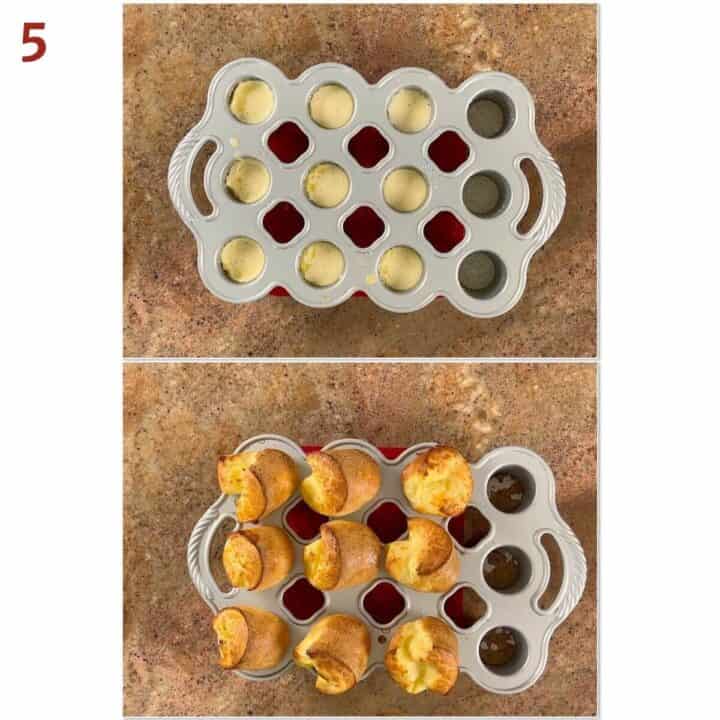
Bake the popovers for 22 to 25 minutes or until they are golden brown.
Remove the popovers from the oven and serve immediately.
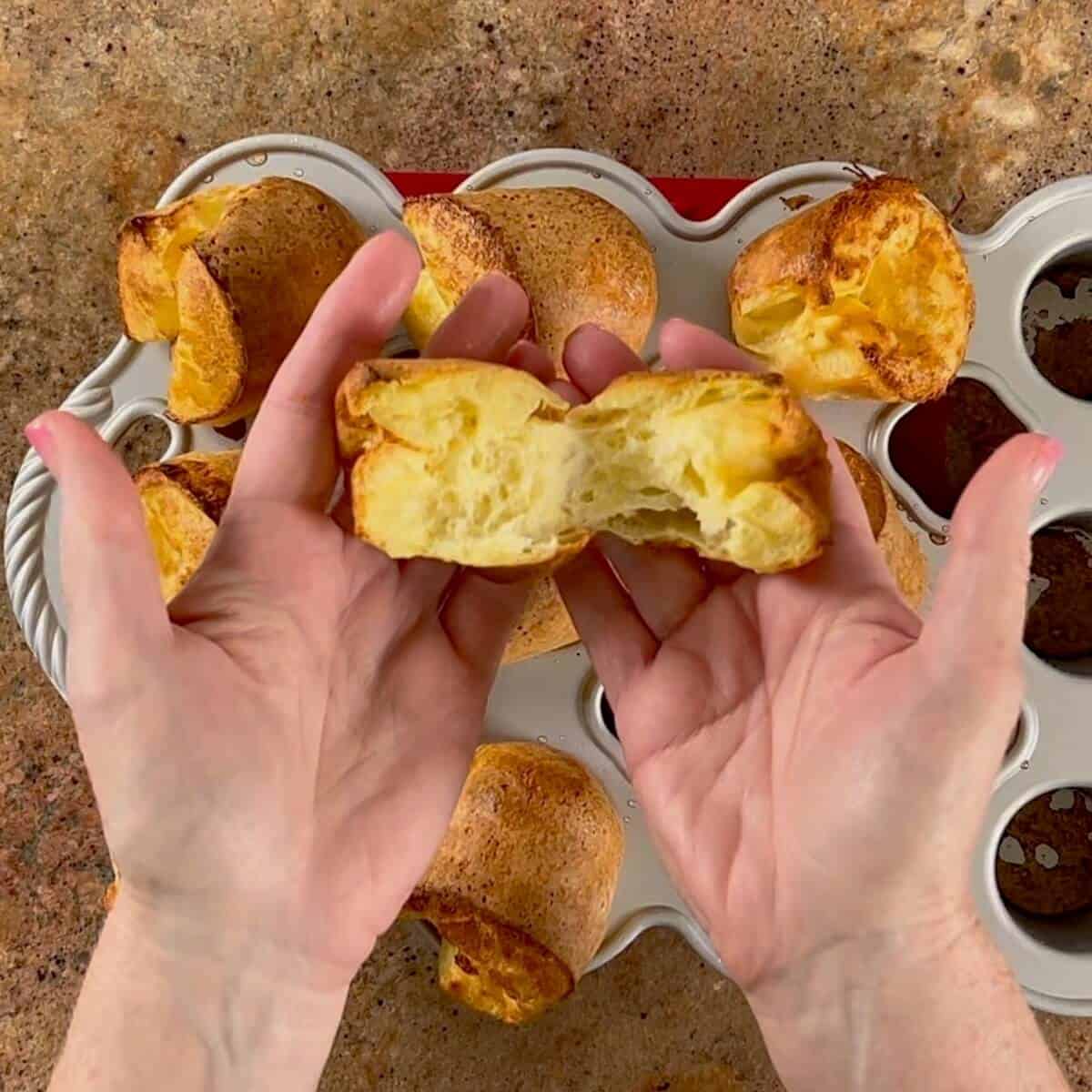
If desired, you can slit a hole into the finished popovers to release steam, then return them to the oven for a couple of minutes. This will help prevent any sogginess as the popovers cool, creating a drier interior.
Storage and make-ahead instructions
Storage instructions: You have several options if you want to store your popovers:
- If you're serving the popovers within a few hours of baking, store them loosely covered (like under a kitchen towel) on the counter to avoid moisture build up (they may deflate a bit, but will still taste great).
- Popovers will keep for 1 to 2 days at room temperature in an airtight container after they've fully cooled. You don't want moisture to build up within the container.
- For longer storage, cool the popovers completely, then put in an airtight container or freezer bag and freeze for up to 3 months. Thaw on the counter before reheating.
Make-ahead instructions: You can make sourdough discard popover batter up to 24 hours in advance. Allow it to come to room temperature while the oven preheats.
You can also freeze the batter for up to a month. Just defrost overnight in the refrigerator, then bring it to room temperature before baking.
Yield Notes
This recipe will make 10 mini Sourdough Discard Popovers, and can easily be doubled to make more.
Reheating popovers
Whichever storage method you choose, you can reheat these mini popovers in the oven or toaster oven at 350 °F for 3 to 5 minutes (or until heated through) to crisp the outside while keeping the inside soft. Watch to make sure they don't burn.
Microwaving isn't the best way because they can get soggy. If that's your only option, place the popovers on a paper towel to absorb any moisture and reheat for 10 seconds at a time.
Why didn't my popovers rise?
Temperature plays a key role when baking popovers, both in the batter and in the oven. Since it's the steam from the evaporating water in the batter that causes them to expand, there are several factors that can contribute to a low popover rise.
The batter was too cold
If the batter is cold going into the oven, valuable time is wasted heating the batter before the outside sets, leading to flatter popovers.
- Make sure the batter is at room temperature before baking.
The batter was too thick or thin
The evaporating steam needs to push against the gluten structure to rise. If the batter is too heavy, it won't be able to lift the popovers. If the batter is too thin, the popovers can collapse.
- Popover batter should be about the consistency of heavy cream, and thinner than pancake batter. Adjust the batter with warm water or flour (in 1 tablespoon increments) to make sure it's the correct consistency.
- Using bread flour (with it's higher protein content) can help maintain the batter's structure
The oven (and/or the popover pan) wasn't hot enough
Making sure the oven is fully heated is imperative - you want that blast of heat to really get that steam rising fast. The same is true if you have a popover pan made of a heavy-duty material (this isn't as important when using a thinner aluminum or silicone popover pan).
- Use an oven thermometer to insure your oven is at the right temperature (always a good idea when baking anything, really!)
- Put the popover pan in the oven before preheating makes sure it's good and hot when you pour in the batter, especially if you're using a cast iron popover pan
Questions asked and answered
Here are some questions you might have...
According to King Arthur Baking, A popover pan is shaped to create popovers with a taller base and a more defined "mushroom" top. If you want to use a mini muffin pan, make sure your pan has a good heat transfer capability - aluminum or steel/aluminum pans work best. Fill the wells all the way to the top, spacing out the batter into every other well.
Sure! From King Arthur Baking, use 1 cup (227 grams) milk, 3 eggs, ¾ teaspoon salt, and 1 cup (120 grams) of flour. Fill the pan almost to the top (all the way to the top, spacing out the batter into every other well if you're using a standard muffin pan). Bake the popovers at 450˚F for 15 minutes, then reduce the oven to 375°F and bake for 15 to 20 minutes more.
Didn't find the answer you're looking for?
Ask AI to answer for this specific recipe:
Disclaimer: I am not responsible for the quality of AI information


I hope you like this recipe! Let me know if you have any questions, and don't forget to leave a comment and rating. Thanks!
Slainté! L'chaim! Cheers!
- Tammy
More recipes featuring sourdough discard to try


Good news for sourdough bakers!
Discover a new method to feed your starter with less flour, making your baking both sustainable and scrumptious.
Plus, get my bonus recipe for naturally-leavened sourdough bread using unfed starter for fresh bread any time.
Recipe

Mini Sourdough Discard Popovers
Ingredients
- ⅔ cup milk, or milk substitute (any type), warmed
- 2 large eggs, at room temperature
- ½ cup sourdough starter discard, at room temperature, see Recipe Notes
- ½ teaspoon kosher salt
- ½ cup all-purpose flour, or bread flour, see Recipe Notes
- 2 teaspoons unsalted butter, melted, or canola oil, for greasing the pan
Instructions
- Place a mini popover pan (especially if it's made of a heavy-duty material) in the oven and preheat the oven to 400 °F. Preheating the pan isn't as important when using a thinner aluminum or silicone popover pan.Using a kitchen scale helps to make sure your ingredient measurements are accurate so that your popover batter will have the right consistency.
- Either in the microwave for 30 seconds or in a small saucepan, warm ⅔ cup milk, until it feels just slightly warm to the touch, about 95 °F to 100 °F.
- In a medium bowl (preferably with a pouring spout), beat 2 large eggs. Add in the warmed milk, ½ cup sourdough starter discard, and ½ teaspoon kosher salt and whisk until combined.
- Whisk in ½ cup all-purpose flour, until just combined (a few small lumps are OK). The batter will be about the consistency of heavy cream, and thinner than pancake batter. Adjust the batter with warm water or flour (in 1 tablespoon increments) to make sure it's the correct consistency.Let the batter rest for about 30 minutes while the oven comes up to temperature. This rest period allows the flour to fully hydrate, improving the texture of the finished popovers.
- Carefully remove the hot pan from the oven. Use a pastry brush to generously coat 10 wells with 2 teaspoons unsalted butter (melted) or canola oil.
- Quickly pour the batter into the greased cups, filling them about ¾ full.
- Bake the popovers for 22 to 25 minutes or until they are golden brown.
- Remove the popovers from the oven and serve immediately.If desired, you can slit a hole into the finished popovers to release steam, then return them to the oven for a couple of minutes. This will help prevent any sogginess as the popovers cool, creating a drier interior.
- Storage instructions: If you're serving the popovers within a few hours of baking, store them loosely covered (like under a kitchen towel) on the counter to avoid moisture build up (they may deflate a bit, but will still taste great). Reheat them at 350 °F for 3 to 5 minutes (or until heated through) to crisp the outside while keeping the inside soft.Popovers will keep for 1 to 2 days at room temperature in an airtight container after they've fully cooled. Reheat before serving.For longer storage, cool the popovers completely, then put in an airtight container or freezer bag and freeze for up to 3 months. Thaw on the counter, before reheating.
- Reheating instructions: Whichever storage method you choose, you can reheat these mini popovers in the oven or toaster oven at 350 °F for 3 to 5 minutes (or until heated through) to crisp the outside while keeping the inside soft. Watch to make sure they don't burn.Microwaving isn't the best way because they can get soggy. If that's your only option, place the popovers on a paper towel to absorb any moisture and reheat for 10 seconds at a time.
- Make-ahead instructions: You can make sourdough discard popover batter up to 24 hours in advance. Allow it to come to room temperature while the oven preheats.You can also freeze the batter for up to a month. Just defrost overnight in the refrigerator, then bring it to room temperature before baking.
- This recipe will make 10 mini popovers, and can easily be doubled to make more. See the FAQs above for how to make full-sized popovers.


Tammy Spencer says
I enjoyed creating this recipe for you, and I hope you like it as much as I do. Please leave your questions or comments with a star rating so that other readers can benefit from your experience. Thanks!