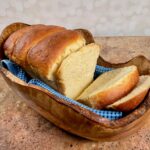
Sourdough Discard Sandwich Bread
Easy to make with a mild sourdough tang, this sourdough discard sandwich bread is light and fluffy with a soft crust. A variation on sourdough dinner rolls using unfed sourdough starter and potato flour, you'll love the buttery taste of this soft sandwich bread!
Servings: 16 slices
Calories: 154kcal
Special Equipment
Ingredients
- 2¾ cups (330 grams) bread flour, or all purpose flour, adding more if needed
- 1 cup (240 grams) milk, warmed between 100°F to 110°F, see Recipe Notes
- ½ cup (113 grams) sourdough starter discard, at room temperature, see Recipe Notes
- ¼ cup (46 grams) potato flour
- 1 (50 grams) large egg, at room temperature
- 6 tablespoons (89 grams) unsalted butter, at room temperature
- 2 tablespoons (30 grams) granulated sugar
- 1½ teaspoons (4 grams) instant yeast, or rapid rise, see Recipe Notes
- 1½ teaspoons (7 grams) kosher salt
Instructions
- Make the dough: In the bowl of a stand mixer fitted with a dough hook, combine 2¾ cups bread flour, 1 cup milk (warmed), ½ cup sourdough starter discard,¼ cup potato flour,1 large egg,6 tablespoons unsalted butter,2 tablespoons granulated sugar,1½ teaspoons instant yeast, and 1½ teaspoons kosher salt.If you don't have a stand mixer, you can mix this dough in a bread machine on the dough cycle or by hand with a large wooden spoon or a rubber spatula.
- Mix and knead on medium speed until a soft, slightly sticky dough forms. If necessary, add flour or water in 1 tablespoon increments until the dough pulls away from the sides of the bowl.
- Keep the dough in the mixer and knead for an additional 2 minutes or by hand on a lightly floured surface. The dough will be soft and tacky.
- Lightly spray a large bowl with canola oil spray. Place the dough in the bowl, turning it to coat all sides in the oil. Cover the bowl and allow the dough to rise in a warm place for 1 to 2 hours or until doubled in size. An oven with the light on works wonderfully.
- Shape the loaf: After the dough has risen, knead it gently to deflate it. Divide the dough into 4 equal pieces with a bench scraper. Shape each piece into a rough ball by pulling the edges into the center, then turn face down. Cover and allow to rest for 20 minutes.
- Spray a standard loaf pan with baking spray.
- Reshape the dough into a ball, again pulling the edges into the center. Turn over and roll the balls on the counter to seal, then tighten the top by pulling the dough towards you with your pinky fingers touching the counter. Rotate the ball and repeat the action, shaping each ball into a slight oval.
- Place the dough balls side by side in the loaf pan. The dough will want to spread, so push them over to make room. Cover the loaf with plastic wrap and let it rise until it's puffy, about 1 hour.
- Place the oven rack in the lower third of your oven. Preheat the oven to 350 °F.
- Bake the bread: Bake the loaf for 33 to 38 minutes or until it's golden brown on top. If the top is browning too quickly, loosely cover the pan with aluminum foil. Remove the bread from the oven. You want the finished bread to read at least 190 °F towards the bottom (a digital thermometer is helpful).
- Allow the bread to cool in the pan for 15 minutes, then place on a cooling rack to cool completely before serving.
- Storage instructions: This bread can be stored in an airtight container for 3 to 5 days at room temperature. For longer storage, freeze the bread for up to 3 months. Thaw in the refrigerator or at room temperature, then reheat as desired.
- Make-ahead instructions: You can let the dough have its first rise in the refrigerator overnight. Cover the dough tightly and place in the refrigerator for up to 12 hours. Remove the dough from the refrigerator and allow to fully rise for 2 more hours before portioning and shaping. This will allow the dough to develop even more flavor.You can also shape the bread before refrigerating it overnight. Remove the bread from the refrigerator and let it rise, still covered, on the counter for about 1 to 2 hours before baking.
Recipe Notes
To make this bread without sourdough discard, just substitute a scant ½ cup flour (57 grams) and ¼ cup (60 grams) water for the ½ cup of starter. The difference will be that the bread won't have a subtle sourdough tang.
Use any type of milk you have on hand, be it whole, low-fat, non-fat, or even an unsweetened plain non-dairy milk. If you prefer, you can substitute 1 cup hot water (227 grams) and ¼ cup nonfat dry milk (37 grams) for the milk.
If you use Active Dry yeast, then you might want to sprinkle yeast on to the warmed water with a teaspoon of sugar and allow it to sit for a few minutes before proceeding with the recipe. Letting it foam "proves" the yeast is active and ready to go to work.
If you don't want to use commercial yeast in this sourdough sandwich bread recipe, replace the yeast with ½ cup (114 grams) of active, fed starter, and reduce the amount of flour by about ½ cup (57 grams) and milk by about ¼ cup (57 grams). The rising time will be longer (about double) for both the first and second rises.
Nutrition
Serving: 1slice | Calories: 154kcal | Carbohydrates: 22g | Protein: 4g | Fat: 5g | Saturated Fat: 3g | Polyunsaturated Fat: 0.4g | Monounsaturated Fat: 1g | Trans Fat: 0.2g | Cholesterol: 23mg | Sodium: 231mg | Potassium: 85mg | Fiber: 1g | Sugar: 2g | Vitamin A: 171IU | Vitamin C: 0.1mg | Calcium: 27mg | Iron: 0.3mg
Scan the QR code to find the online recipe or visit us at www.scotchandscones.com